01
Early fusion
Combines raw or near-raw data before the model. Best accuracy when the sensors are well aligned in time and space, and unforgiving when they are not.
The reason to fuse sensors is not more data. It is that they fail differently — and the combination is available in conditions where any single channel is not.
Why Fuse At All
Fusion is worth its considerable complexity when the combination is available in conditions where any single channel is not. That is a specific claim, and it is the one to test before committing to a multi-sensor architecture — because a second sensor that fails in the same conditions as the first has added cost, weight, power and calibration burden while buying almost nothing.
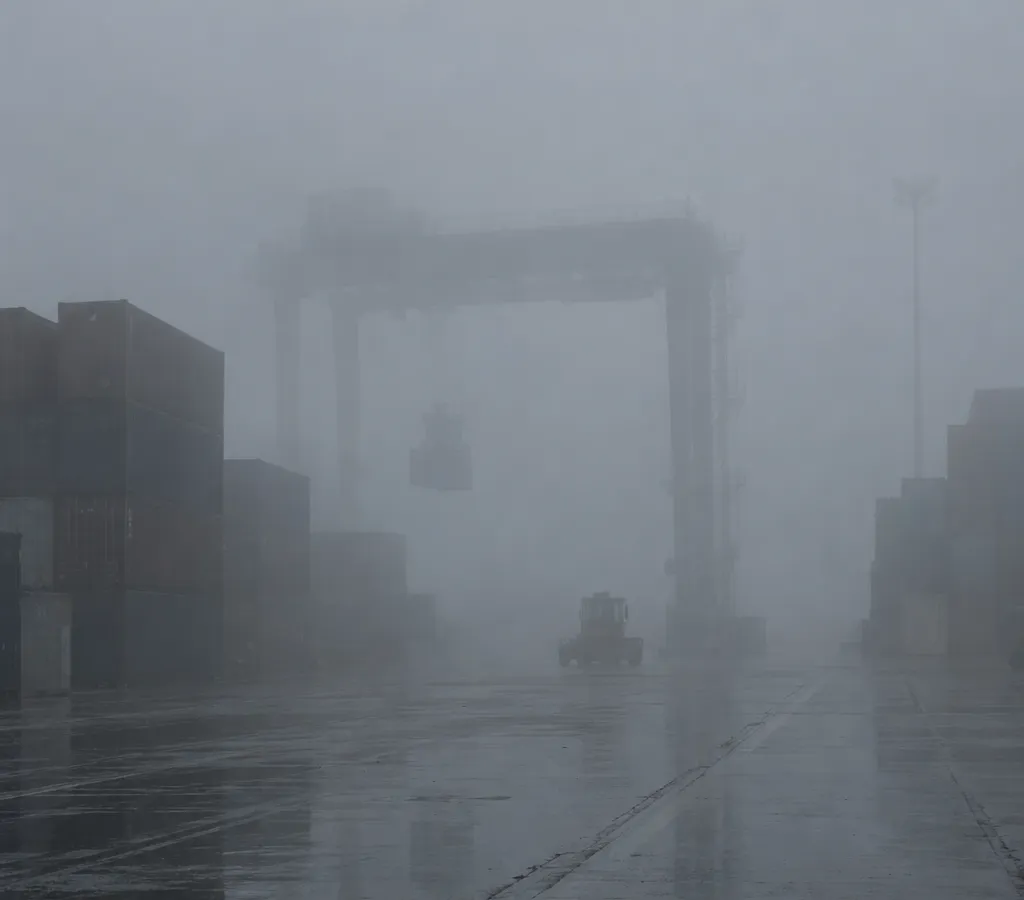
Easy to interpret and useless in fog, at night, and pointed into the sun.
Works through weather and darkness, and produces something no human finds intuitive.
Sees heat rather than detail, which is exactly right for some questions and useless for others.
Gives geometry directly, and struggles with rain and reflective surfaces.
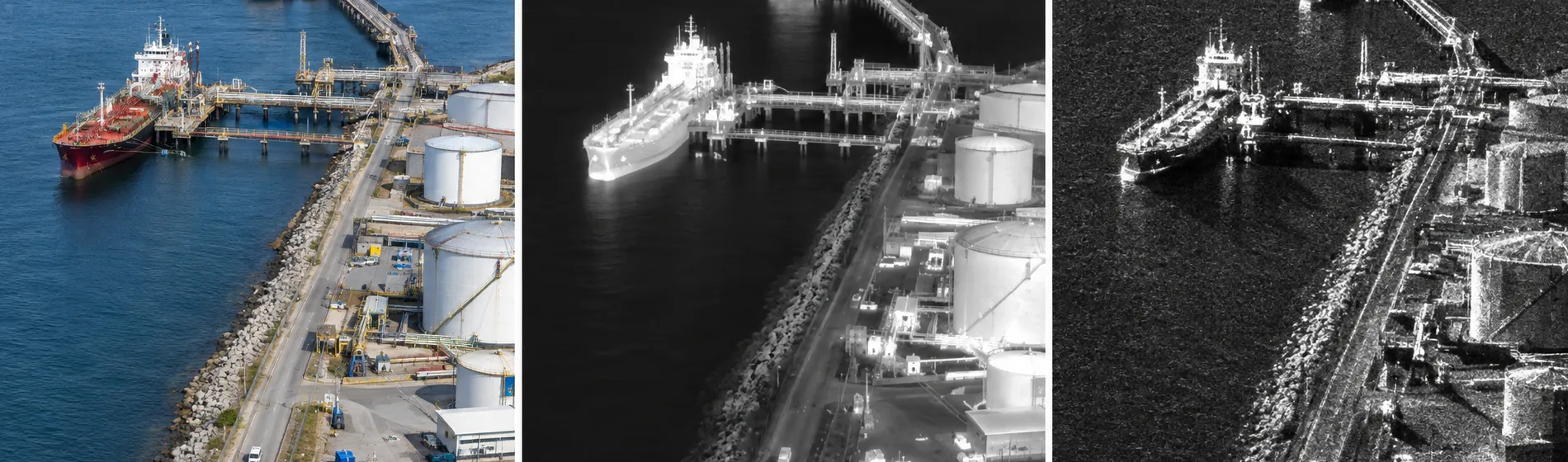
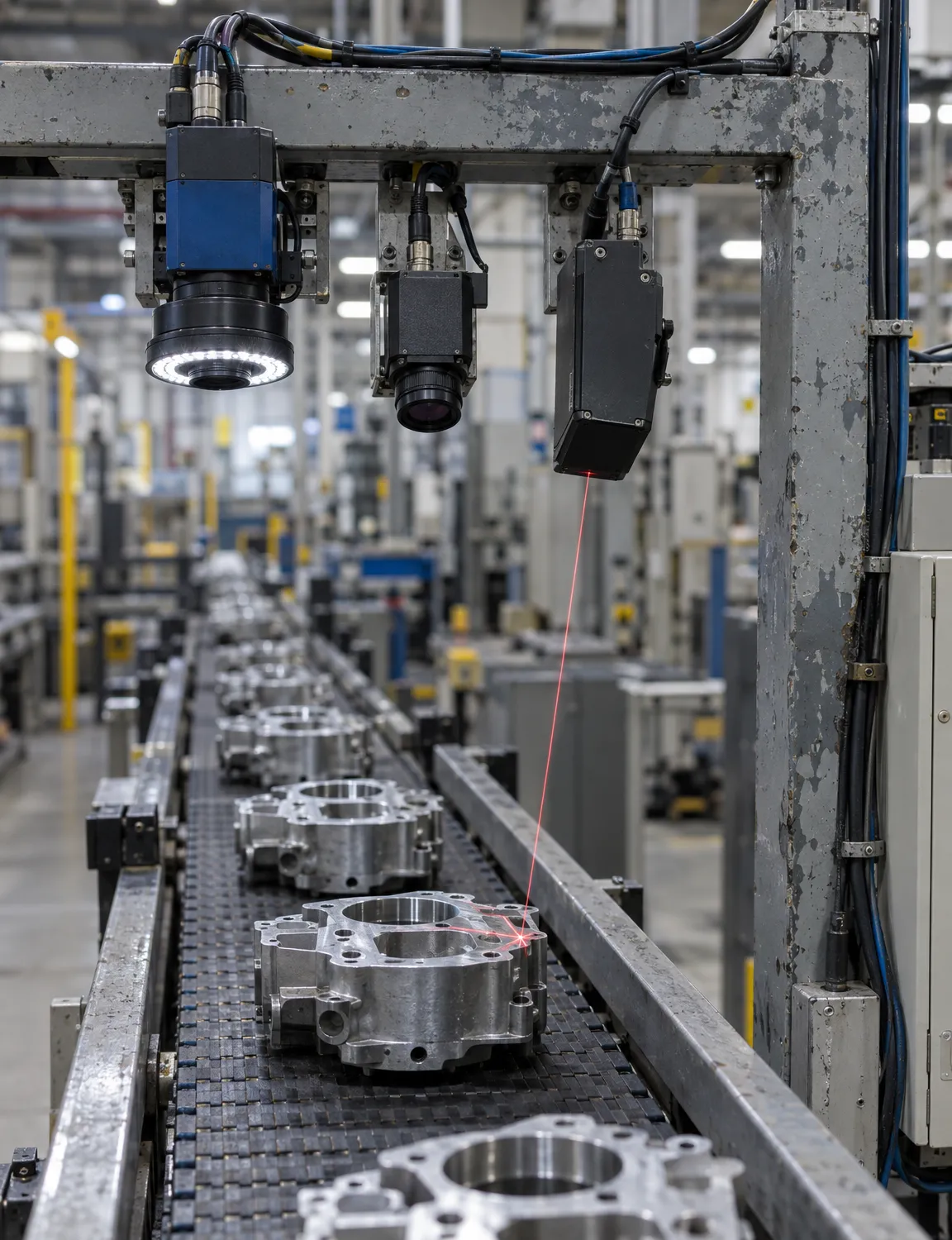
Vision with thermal and process data on a production line. Radar with camera, where weather and darkness decide availability. Electro-optical with thermal infrared. Lidar and geometry. SAR with optical, where radar provides all-weather availability and optical provides interpretability. Radio frequency and other passive sources.
And the non-sensor context that is frequently the cheapest accuracy improvement available — usually cheaper than adding another sensor, and almost always overlooked in favour of one.
For safety-relevant and mission-relevant systems we usually start from late fusion and move earlier only where the accuracy gain is measured and the alignment can be guaranteed.
Combines raw or near-raw data before the model. Best accuracy when the sensors are well aligned in time and space, and unforgiving when they are not.
Combines learned representations. The common middle ground, and it tolerates moderate misalignment.
Combines decisions from independent per-sensor chains. Less accurate at the top end and much better at everything else: it degrades gracefully when a sensor drops out, each chain can be tested and certified on its own, and you can explain to an operator or an auditor why the system concluded what it did.
Kalman filters, factor graphs and Bayesian estimators are still the right answer for tracking, state estimation, and anything where the dynamics are known and the behaviour has to be predictable and explainable. Learned fusion earns its place where the relationship between modalities is complicated and hard to write down, such as matching a radar signature against an optical detection.
Most production systems we work on are hybrids, with a learned perception front end per sensor and a classical estimator maintaining the fused state. The choice is an engineering one, and it should follow from what has to be certified, explained and debugged at three in the morning.
None of these are solved by a better architecture, and every one of them looks like model degradation when it goes wrong.
Sensors sample at different rates with different latencies. An unmodelled offset of a few tens of milliseconds becomes a position error that scales with relative velocity, and nothing downstream repairs it.
Intrinsic and extrinsic parameters drift with temperature, vibration and time. A system that assumes a factory calibration holds for five years on a vehicle, a mast or a machine frame will slowly get worse in a way that looks like model degradation and is not.
Different sensors, different projections, different mounting points — and one world model that all of them have to agree on.
Fusion only works if each channel reports a calibrated confidence, rather than a score that merely happens to lie between zero and one.
Most deep models are, and fixing that is often the single largest accuracy improvement available anywhere in a fusion stack.
A sensor will fail, be occluded, be blinded or be jammed. The system needs a behaviour defined in advance for that case, rather than whatever the model happens to do when it receives zeros.
The tests that matter are the ones where the sensors disagree, and the ones where a channel is degraded or gone: fog, darkness, glare, heavy rain, occlusion, interference, a failed camera, a blocked radome.
Disagreement is the whole reason the second sensor is there. A benchmark that never produces it is not testing the fusion.
Fog, darkness, glare, heavy rain, occlusion, interference, a failed camera, a blocked radome — each as its own case, not averaged away.
An aggregate number lets a strong clean-weather result hide a collapse. The degraded-mode figure is the one the system was bought for.
A fusion system that outperforms on clean data and collapses when one input drops has not solved the problem it was bought for.
Where This Applies
Fusion is not a remote-sensing technique that occasionally escapes into industry. It applies wherever a single channel stops being sufficient — which is most places, once the conditions get difficult enough.
Vision, thermal and process data together catching what none of them catches alone — surface defects, thermal anomalies and a machine that was already drifting.
Where a machine has to keep a usable world model while a sensor is occluded, blinded or simply pointed the wrong way.
Assets that have to stay observed through weather, darkness and intermittent access, often with nobody on site.
Surveillance and earth observation, where the conditions you care about are precisely the ones a single channel cannot hold, and where space-based and airborne sources have to be reconciled.
Architecture assessment
If the honest answer is that one well-chosen sensor does the job, that is a cheaper system and we will tell you.
Whether the channels actually fail differently in the conditions you care about — or whether the second one fails alongside the first.
Early, feature-level or late, decided against what has to be certified, explained and debugged rather than against a benchmark.
The calibration and synchronisation infrastructure the system needs to stay correct once temperature, vibration and time get to it.
Several perception chains at real-time rates plus the fused estimator, costed in watts and euros before a device class is chosen.
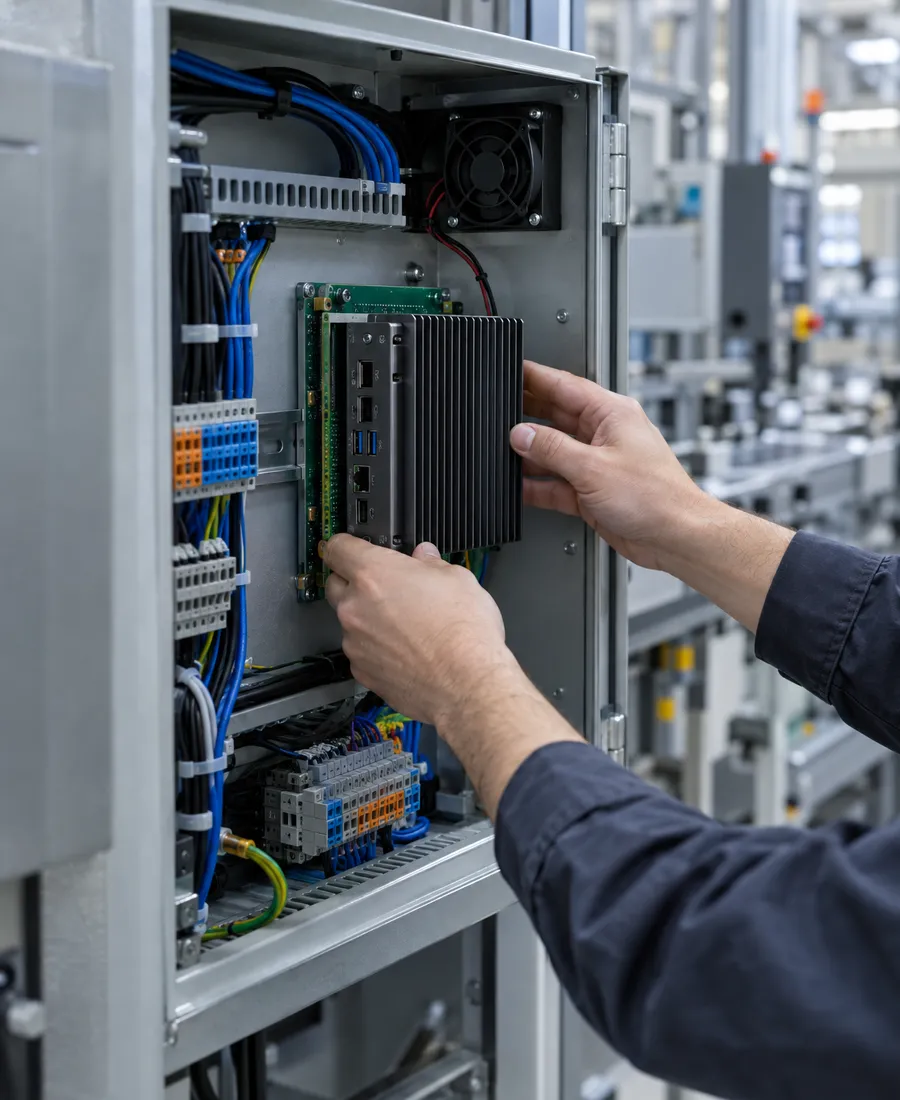
Several perception chains concurrently is a substantially larger compute and power load than any single chain. This is where device-class selection stops being a detail.
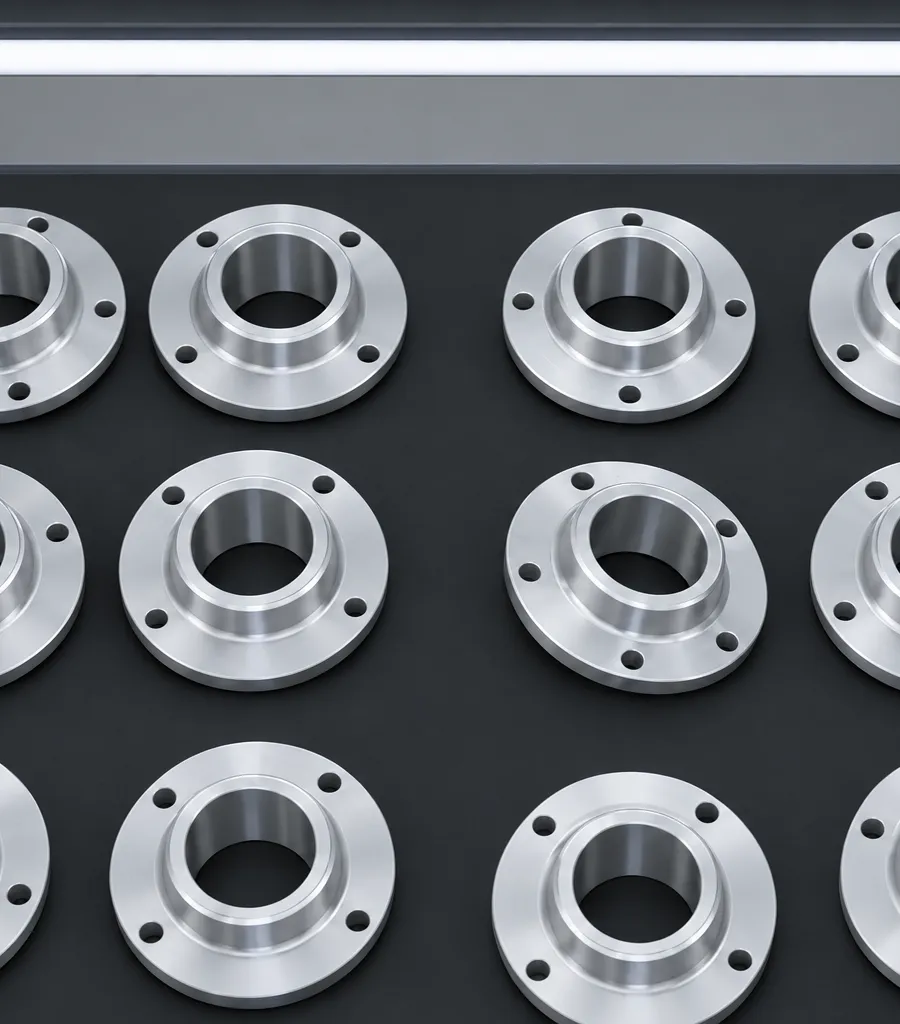
Where real multi-sensor data is scarce — rare events and degraded conditions — simulation can generate correlated synthetic data across modalities with exact ground truth.
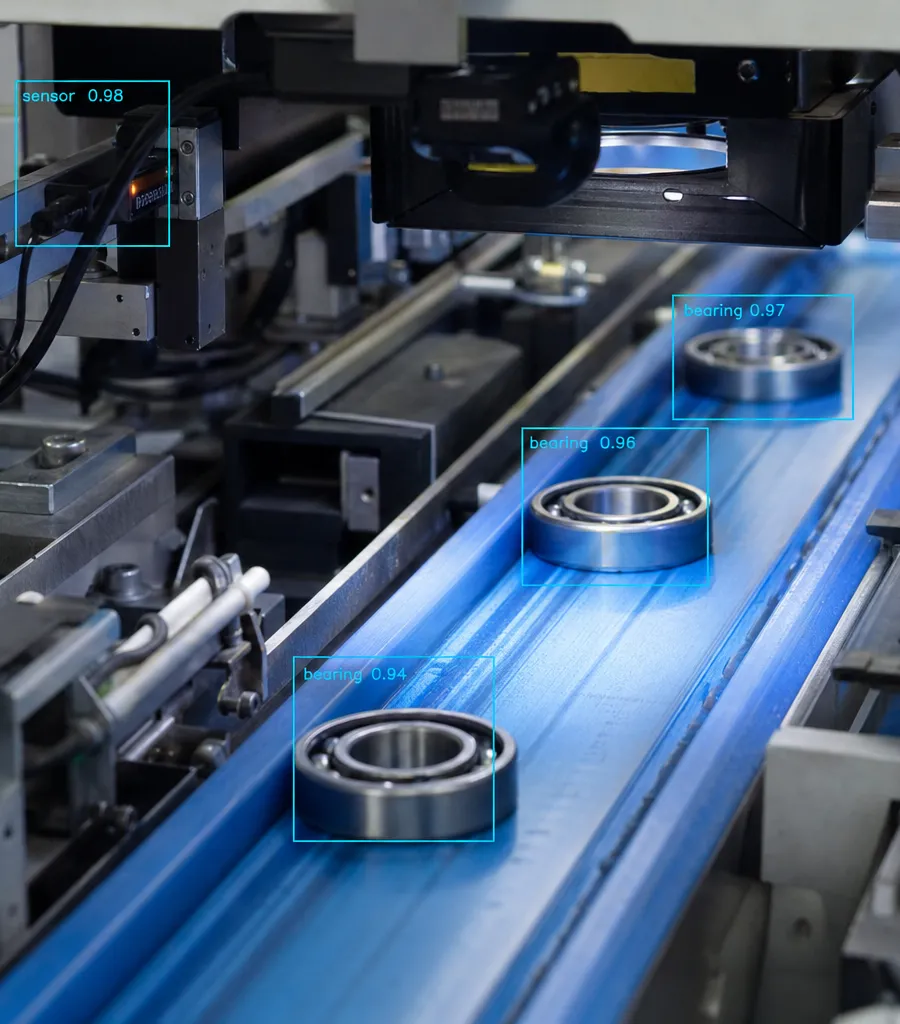
The optical channel on its own — what it is good at, and the conditions in which it stops being enough.
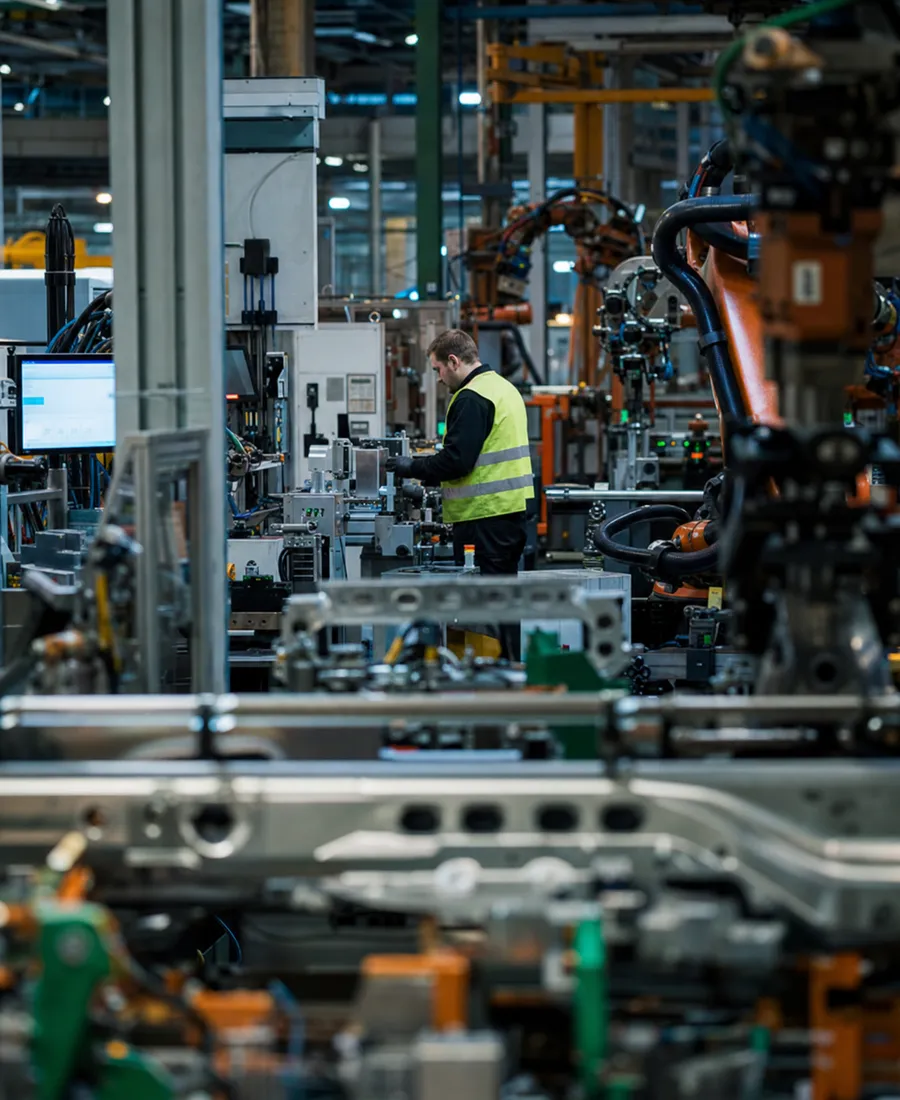
Vision, thermal and process data on the same line, detecting what none of them catches alone.
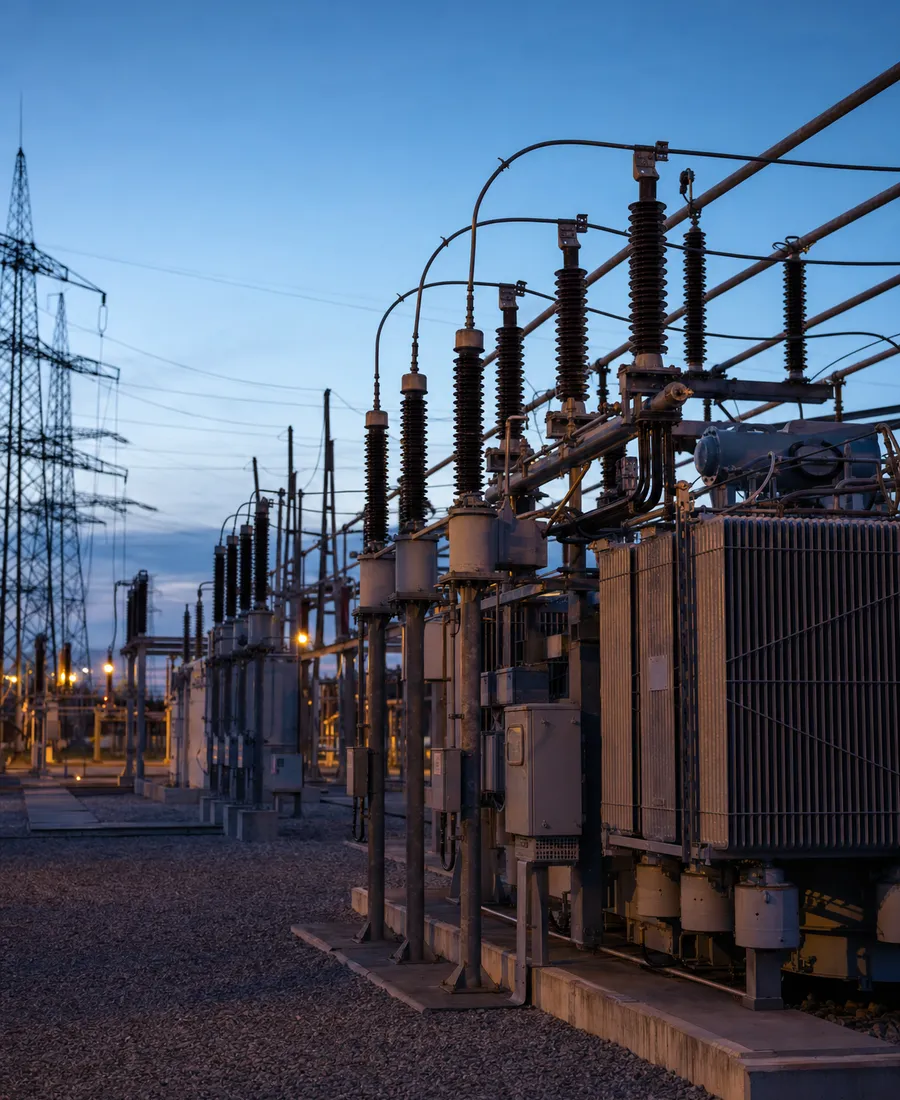
Critical infrastructure monitoring, where assets have to stay observed through conditions that defeat any one sensor.
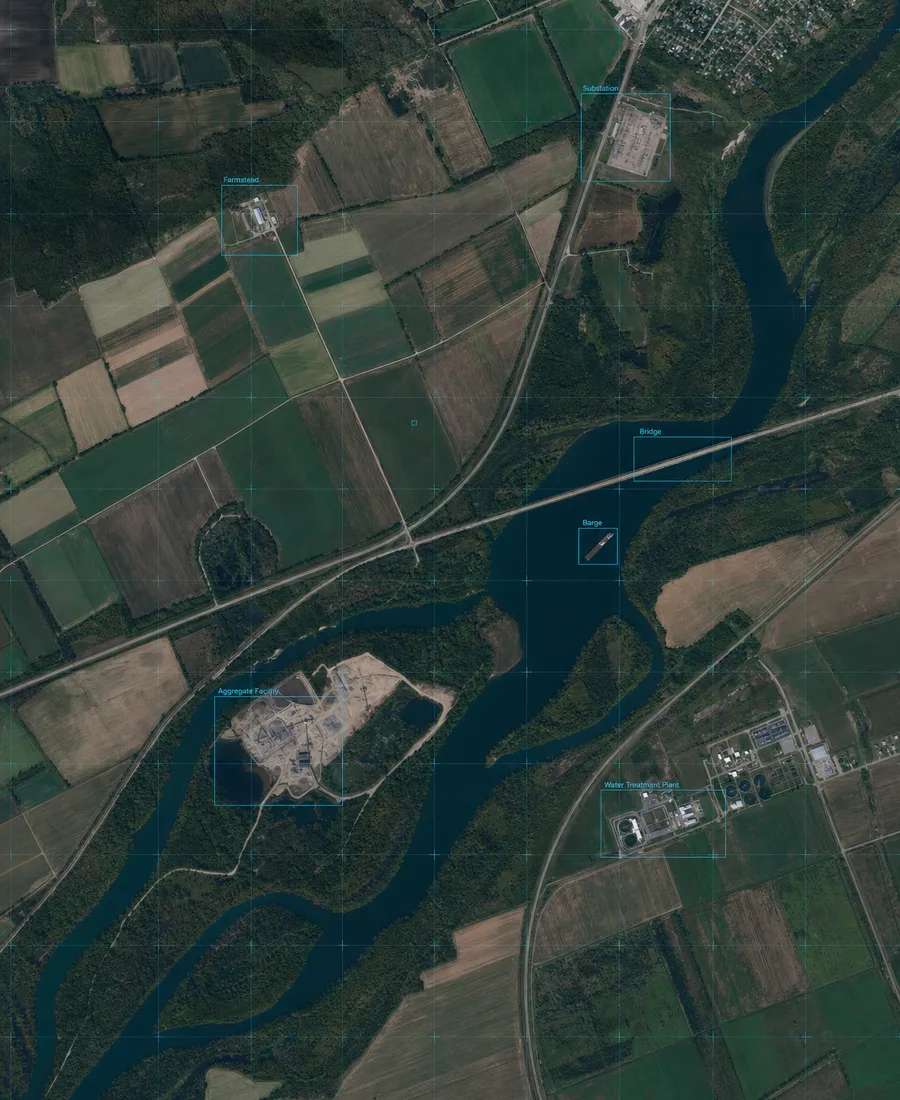
Combining space-based and airborne sources into one picture that holds through weather and darkness.
We will tell you whether your sensor set is genuinely complementary in those conditions, where the fusion should happen, and what the compute budget will actually be.
Book a Strategy & Architecture Review