

01
The Technical Shape Is Unclear
A strong product idea exists, but business and engineering teams understand the problem differently, and requirements are solution-biased or vendor-defined before the system has ever been designed.
Turn an ambitious use case into a product and system that can actually be built. We translate strategic intent into clear product requirements, system boundaries, and technical decisions — before you commit a team or provider.
A strong product idea exists — but business and engineering understand the problem differently, and there is no blueprint anyone could build against.
A strong product idea exists, but business and engineering teams understand the problem differently, and requirements are solution-biased or vendor-defined before the system has ever been designed.
Hardware, software, data, and AI decisions are made in isolation. Without aligned system boundaries and interfaces, every later choice becomes rework.
A proof of concept exists but cannot become a reliable product — and the organization needs a technical blueprint before selecting a team or provider.
What problem is the product actually solving, and for whom?
Where are the system boundaries, and what stays outside them?
Which functional and non-functional requirements decide success?
How do data, models, interfaces, and hardware fit together?
What must run on-device, on-premise, or in the cloud?
Where does human judgment belong in the loop?
Which parts should be built, bought, or partnered?
What will implementation realistically cost and require?
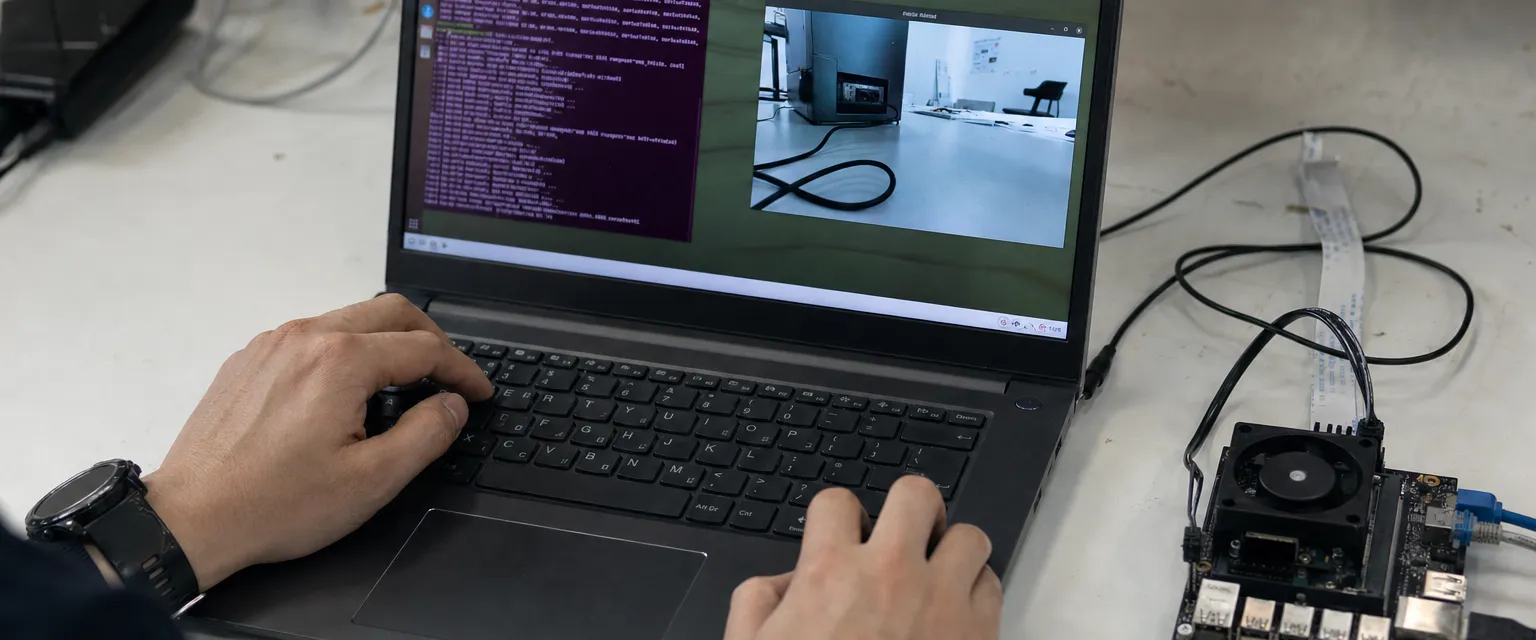

We define the product and the system before a single implementation commitment is made: problem and user definition, product requirements, operational workflows, system boundaries, data architecture, AI and model architecture, interface and integration design, hardware and compute requirements, human-in-the-loop design, security and access concepts, and a monitoring and update strategy.
Decisions are captured in architecture decision records, with clear build-buy-partner boundaries — so the result is a blueprint your own teams or an external provider can execute without reinterpreting it.
The product defined precisely enough to build against: users, workflows, requirements, and acceptance boundaries.
System context and architecture diagrams with a data-flow model and interface definitions.
Model and technology choices with rationale, captured as architecture decision records.
Compute sizing and deployment requirements across edge, on-premise, hybrid, and cloud.
A product backlog or work packages with cost and effort ranges your teams can plan against.
A blueprint precise enough to brief internal teams or put external providers in competition.
How the engagement works
Three to five phases, each closing with a decision or output — not an open-ended design study.
We define the problem, users, and operational workflows with business and engineering at the same table.
Functional and non-functional requirements, system boundaries, and the constraints the design must survive.
Data, model, interface, and hardware architecture — every consequential choice captured as a decision record.
Diagrams, work packages, cost ranges, and the sourcing package that lets you commit a team or provider with confidence.
A provider designs the system around their own stack and commercial interests. This engagement gives you a requirements-first blueprint on your side of the table — precise enough to put providers in competition and to judge their proposals against your constraints instead of theirs.
A proof of concept demonstrates feasibility in a controlled setting; it rarely defines system boundaries, non-functional requirements, integration, or operations. We use your PoC as evidence and design the system it could not yet answer for.
The architecture defines build-buy-partner boundaries at component level. If the sourcing question dominates, our AI Make-or-Buy Decision Support engagement answers it directly — the two connect cleanly.
That is the point. Deliverables are written for execution — requirements, interfaces, decision records, and work packages your team or any competent provider can pick up without us in the room.
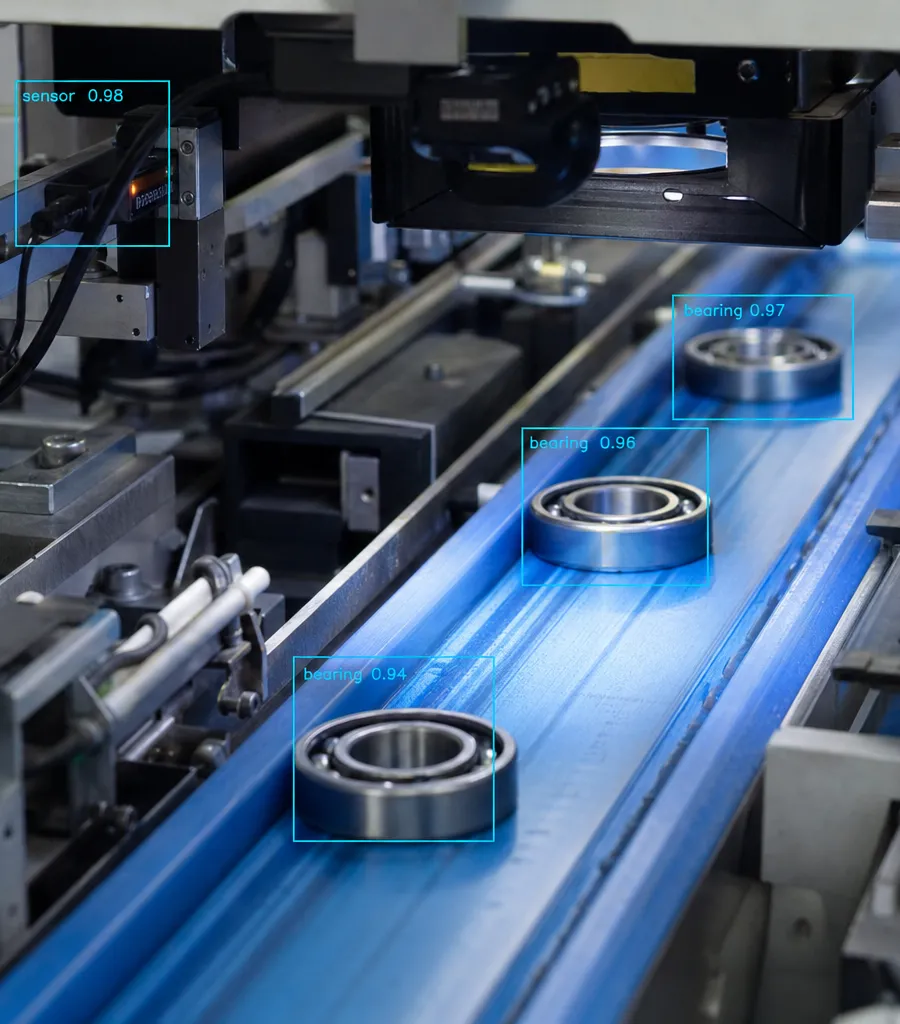
Build and validate the technically critical parts of advanced AI products.

Select the right combination of infrastructure for your AI system.
Decide what to build, what to buy, and where a combined approach wins.
Bring us the ambitious use case. We will give it a technical shape your organization can commit to.
Define Your AI Product