
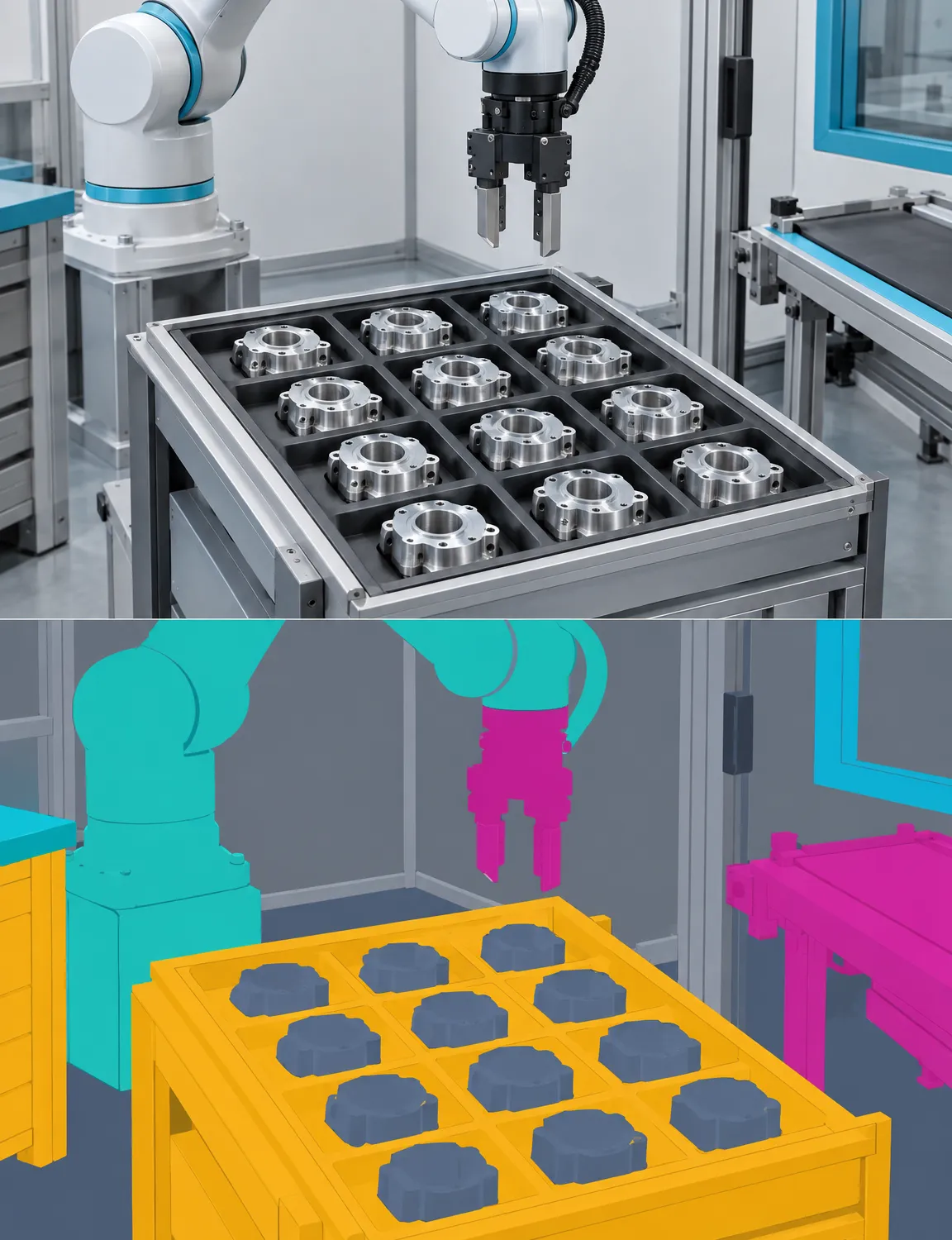
01
The interesting cases are rare
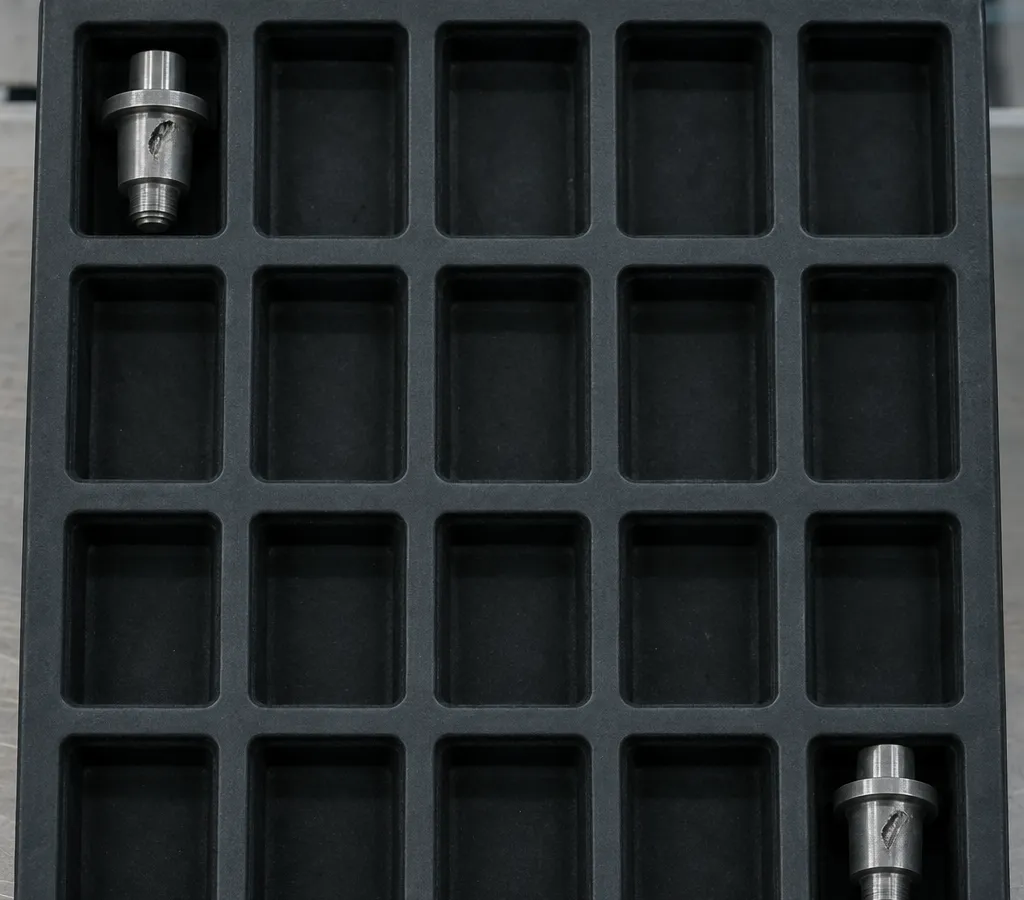
The event you most need the model to catch has happened twice. No collection campaign is going to hand you ten thousand examples of it.
Most stalled AI projects are not blocked by the model. They are blocked by the data — the interesting cases are rare, the labels cost more than the budget, the sensor or the environment does not exist yet, or the data cannot leave the building for legal reasons.
Synthetic data is the standard answer, and it is a good one when the generator is grounded in the physics or the structure of the task and the gap to reality is measured. It is a poor one when the output merely looks plausible. Plausible is not the same as correct, and a model trained on plausible data learns the generator's artefacts rather than the thing you wanted it to learn.
The event you most need the model to catch has happened twice. No collection campaign is going to hand you ten thousand examples of it.
Expert annotation on specialist data is slow and expensive, and the people qualified to do it are the people you can least afford to take off other work.
You are specifying a system around a sensor still being designed, or an environment that has never been built, so there is no archive to draw on. Or the data exists and privacy, export control or classification keeps it from ever reaching a training pipeline.
Scope
It does not solve a poorly defined problem, and it does not remove the need for real data. It introduces a domain gap, which is an engineering quantity to be measured rather than a risk to be waved away. Keep a real, held-out validation set from the first day of the programme.
Ground truth comes out of the generator exactly and for free — not an annotator’s best reading of an ambiguous pixel.
You can produce ten thousand examples of the event that has happened twice, at whatever balance the training run actually needs.
Lighting, geometry, weather, wear and sensor configuration can be swept systematically, instead of hoping the collection campaign happened to include them.
Nothing in the set came from a customer, a patient, a production line or a restricted collection, so it moves under a different set of rules.
Most serious programmes end up combining these. Physics or rendering produces the signal, generative methods widen the nuisance variation around it, and a learned model provides the closed loop.
A renderer or a solver produces the observation: game engines and robotics simulators for scenes and interaction, CAD-driven rendering for parts and assemblies, dedicated solvers where a specific sensor physics has to be reproduced rather than approximated. The advantage is not realism. It is that every label you could want comes out with the frame — per-pixel segmentation, depth, surface normals, 3D pose, occlusion flags, material identity. The right tool when the label depends on physics or geometry, and when you need to control parameters rather than sample whatever reality happened to produce.
Diffusion and related models widen appearance, background and style cheaply, and can inpaint variation into real images you already hold. Useful for nuisance variation. The limit is firm: if the correct label depends on physics the generator was never taught, a convincing image with a wrong label is worse than no image at all.
A learned simulator that predicts the next observation conditioned on state and action — something you can act inside rather than merely sample from. Well suited to policy pre-training, exploration and broad scenario coverage, with limitations that have to be respected.

That matters for three reasons. Policies can be trained and, more importantly, evaluated in closed loop without hardware in the loop or a physical test cell. Counterfactual rollouts become possible, so you can ask what would have happened had the operator or the controller done something else, including things nobody is willing to try on real equipment. And scenario coverage stops being limited by what a scripted simulator author thought to write down.
The honest limitations matter just as much. A world model is well suited to policy pre-training, exploration and broad scenario coverage. It is not evidence of safety, and where physical correctness is the acceptance criterion, a validated physics simulation remains the reference.
Computer Vision
The pattern that tends to work is pre-training on a large synthetic set and fine-tuning on a small, carefully chosen real one, with the real set reserved for honest evaluation.
The classes you most need to catch are the ones with almost no examples, which is exactly where a collection-based approach runs out.
Lighting, pose, occlusion, surface finish, lens, background and sensor characteristics varied deliberately rather than hoped for. This is generally what separates a model that survives a new production line from one that does not.
Segmentation, depth and pose at volumes manual annotation cannot reach, and at an accuracy annotation cannot match.
Where faces, people, patient data or plant interiors cannot be used for training at all.
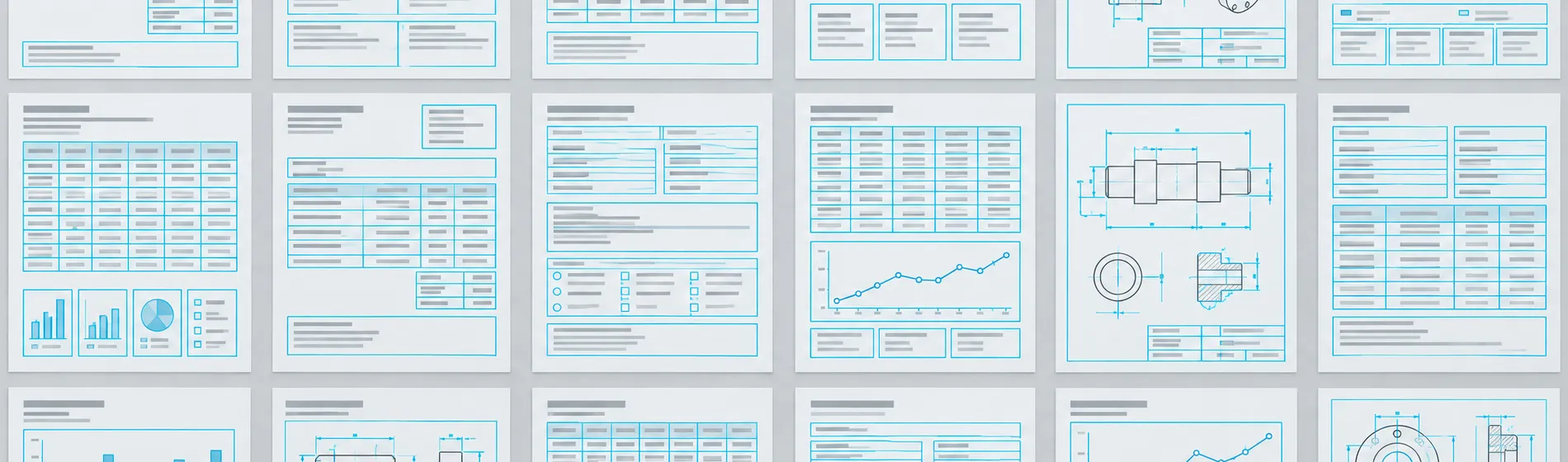
Documents, forms, tables, charts, engineering drawings and user interfaces can be generated procedurally: build the layout, render it, and emit the questions and correct answers from the same structure. The model sees an image and a question, and the ground truth is exact by construction rather than by annotation. Grounding and spatial reasoning benefit in the same way — bounding boxes, referring expressions, counts and relative positions are known because the scene was constructed, not inferred.
Domain-specific instruction data is the third case. For industrial, technical and regulated content there is often nothing usable in public corpora, and generating task-shaped examples is the only realistic route to coverage.
One caution. Generated text and layout carry the templates of their generator, and models overfit to templates faster than they overfit to images. Vary the generators themselves, not only the parameters inside one generator, and validate against real documents from the start.
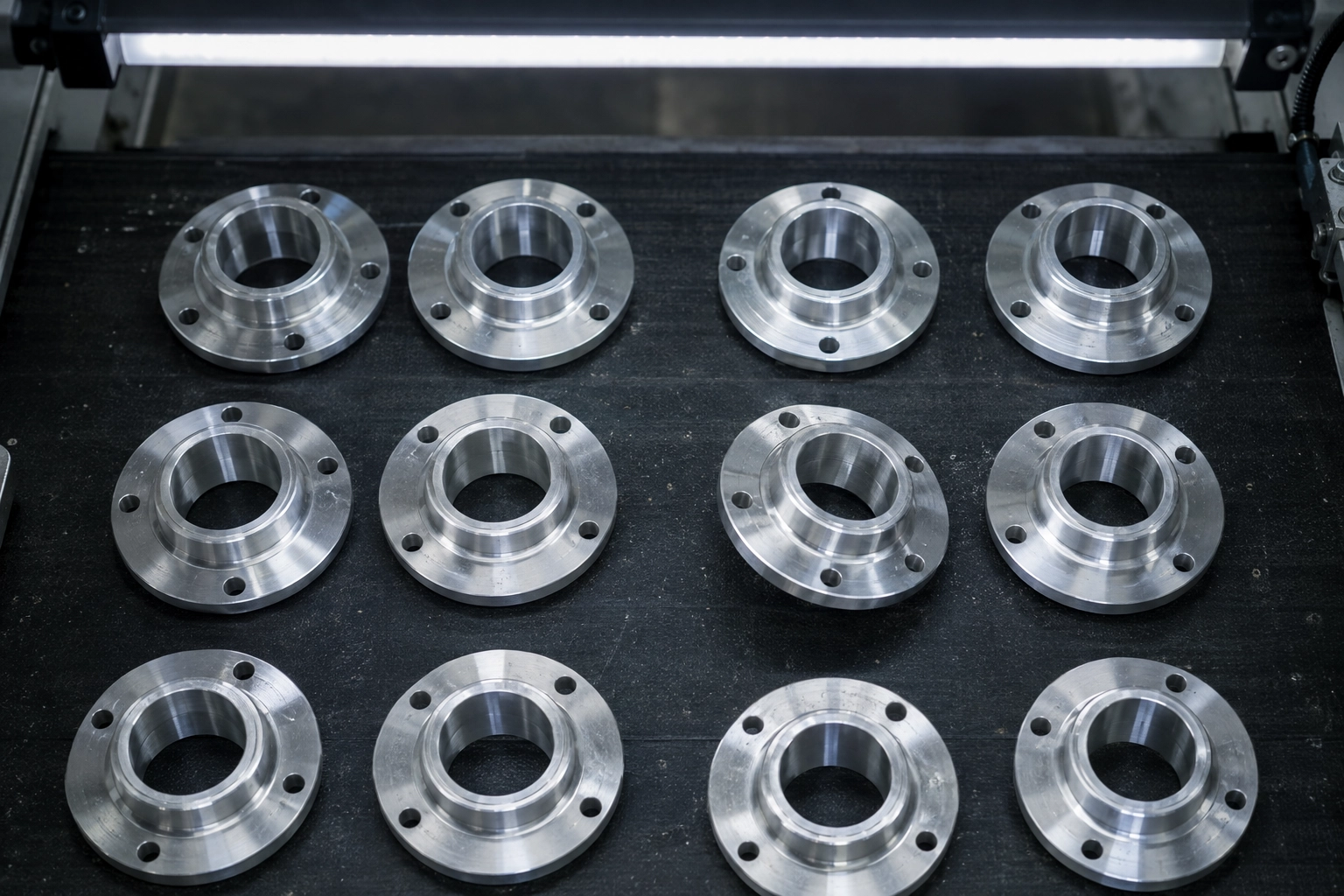
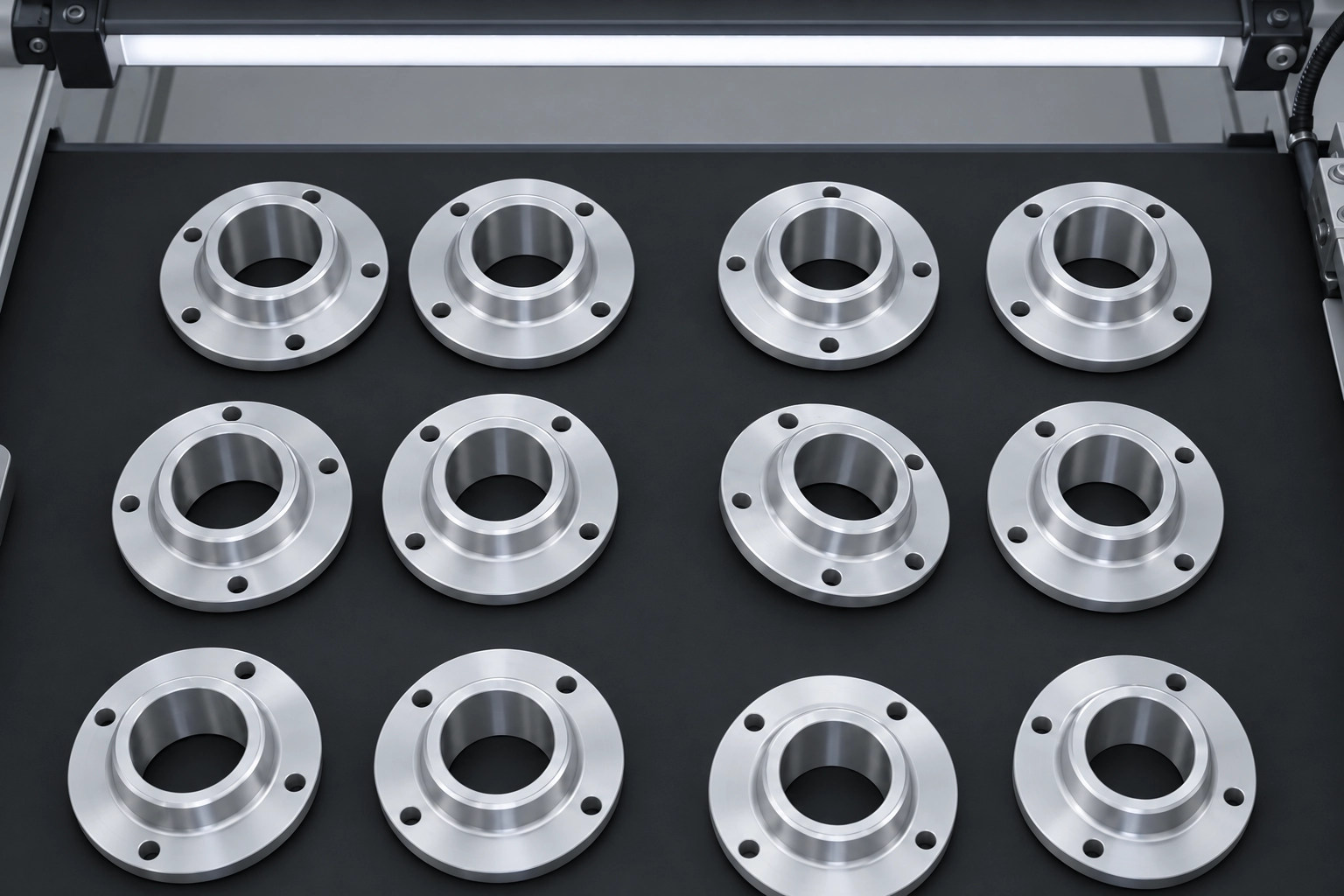
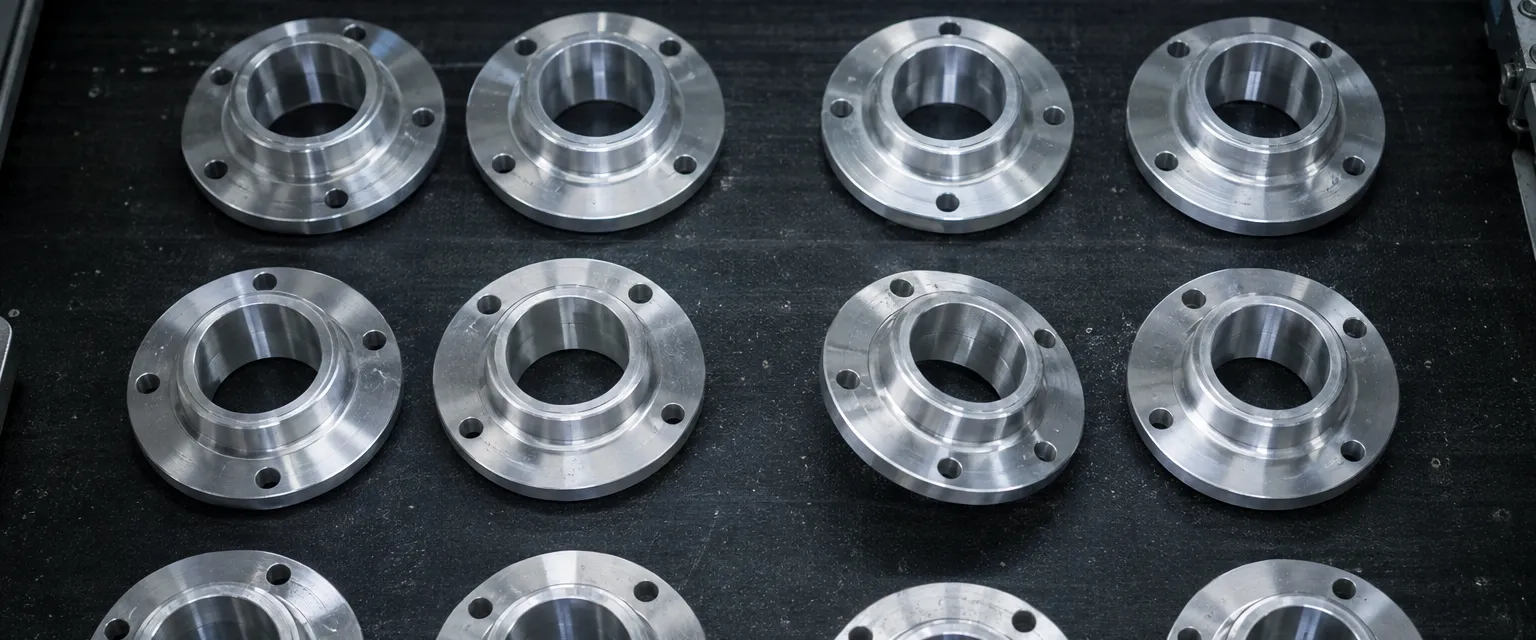
Both frames show the same twelve parts from the same camera position. The left is a rendered frame from a simulation pipeline: uniform lighting, clean surfaces, and a label available for every pixel at no cost. The right is the same scene through a real camera — dust on the belt, machining marks, uneven specular highlights, depth of field, sensor noise, one part sitting slightly out of alignment. Everything that changes as you drag the slider is the domain gap. It is an engineering quantity to be measured against real held-out data, not a risk to be argued about. Drag the slider to compare the rendered frame with the real one.
Building the generator is the visible half. These are the questions that decide whether the programme works.
What do we randomise, and how far? Randomising the wrong parameters wastes compute; randomising too little leaves the model brittle.
What is the mixing ratio between synthetic and real data, and when do we revisit it as the real set grows?
How do we measure the gap directly — training on synthetic data and evaluating on real held-out data — rather than by looking at the images and judging whether they seem convincing?
When is the generator good enough? Beyond some point, more fidelity stops improving downstream accuracy. That question can be answered empirically early, rather than argued about for a year.
The same scene under fog and under clear sky. The same defect at five severities. The same document in twelve layouts. That produces a regression suite that tells you what a model fails on, which is far more actionable than a single aggregate accuracy number.
One factor changed at a time, so a drop in accuracy points at a cause instead of raising a question.
The same defect or degradation at five levels, which turns a pass or fail number into a curve you can reason about.
Re-runnable on every model change, so a silent degradation is caught by you rather than reported by a customer.
Synthetic data is often more valuable for evaluation than for training — and that is the part most teams skip.
Two-Week Assessment
We establish whether synthetic data is the right lever for your problem. If better labelling of a real dataset is cheaper, we will say so.
Whether synthetic data addresses your actual constraint, or whether the bottleneck sits somewhere a generator will never reach.
The downstream task sets the bar, not the generator. We establish how much fidelity the model genuinely needs before anyone starts building one.
Rendered and physically simulated, generative augmentation, a world model, or the combination the problem actually calls for.
A costed view of reaching that fidelity, and if synthetic data is the right answer, a specification for the generator with the validation strategy that goes with it.
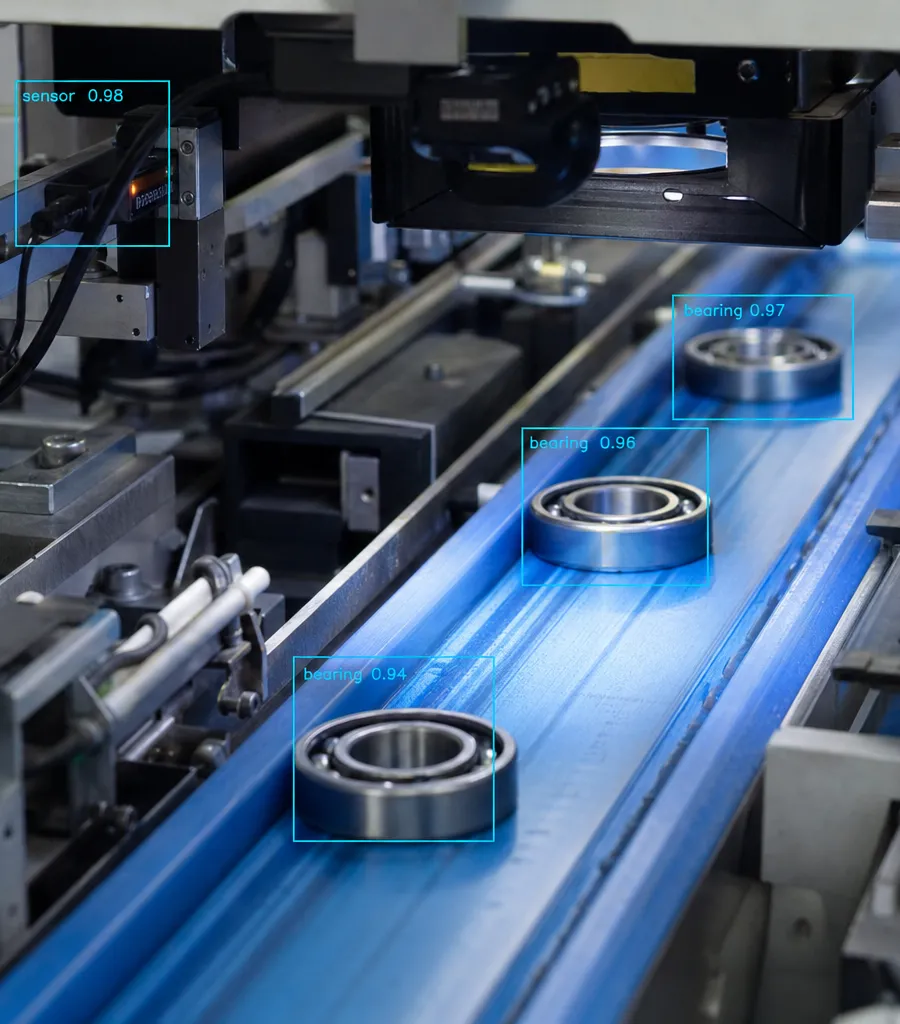
Industrial inspection, where the defects you most need to catch are the ones you have almost no examples of.
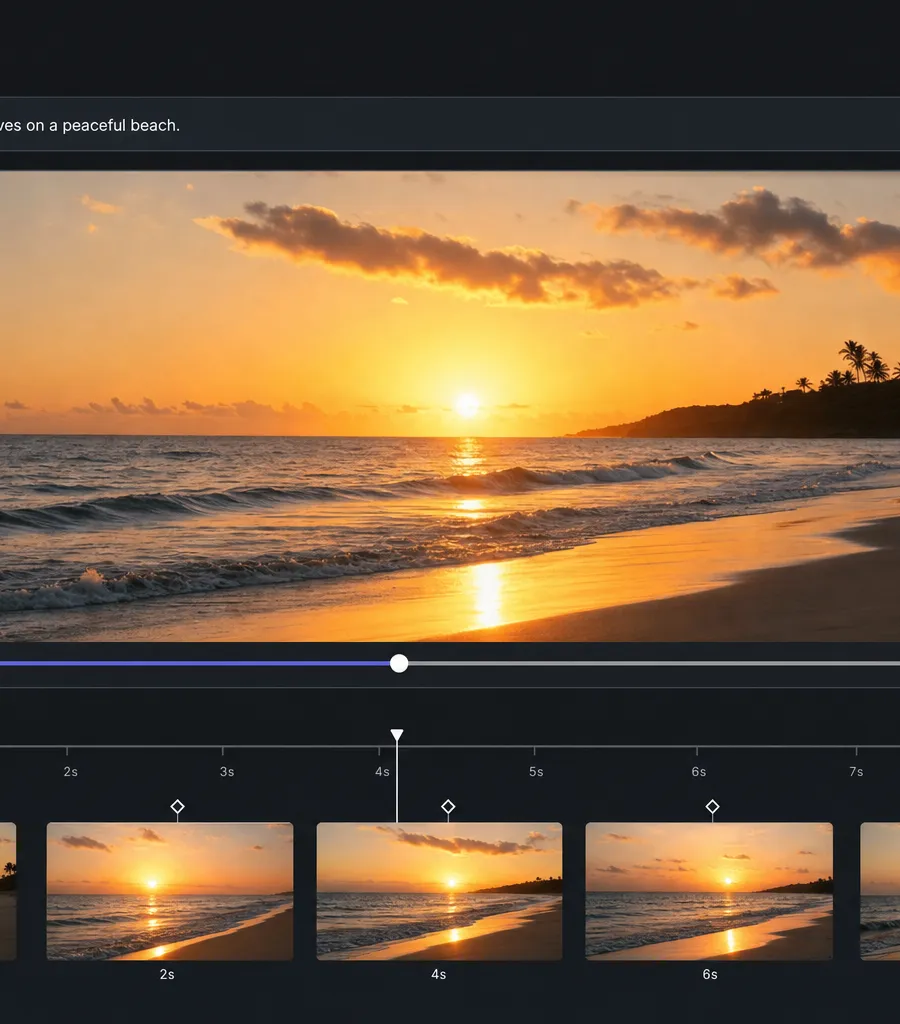
The generative half of the pipeline — where it widens nuisance variation, and where it must not be allowed to set the label.
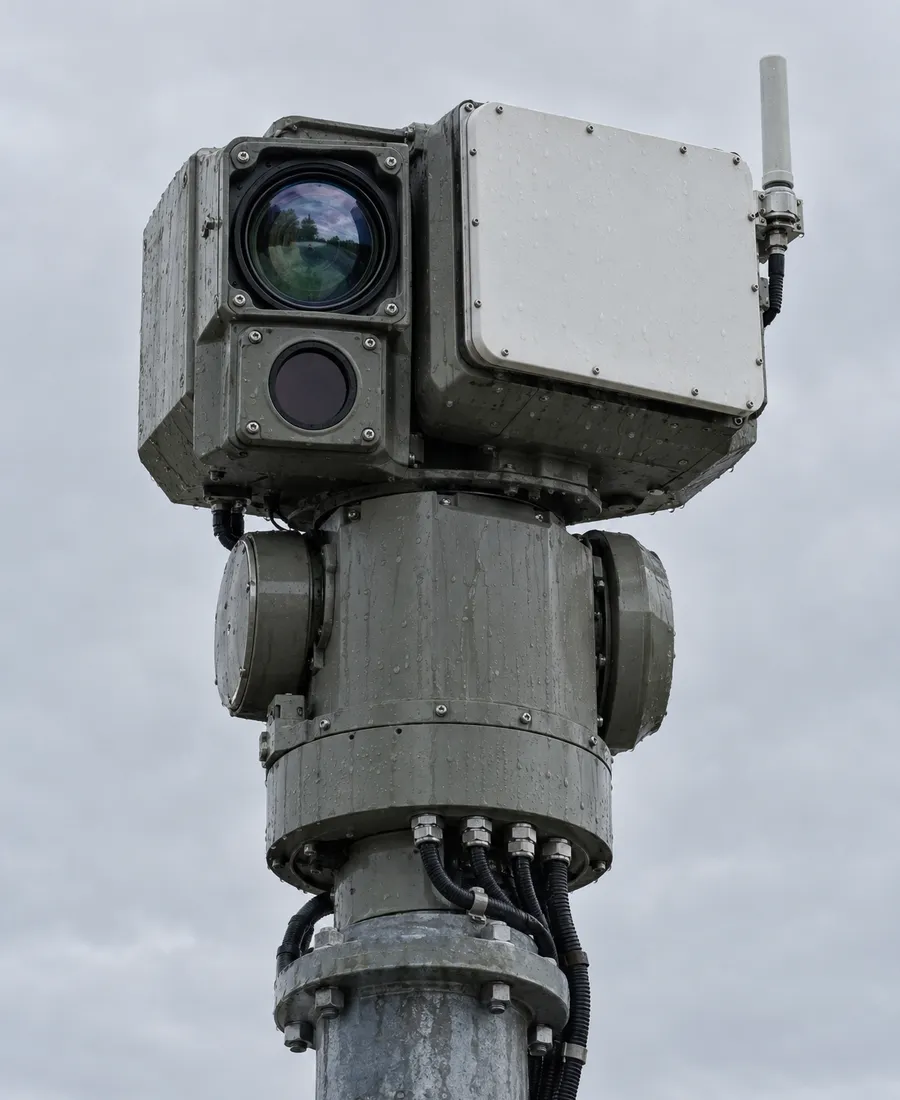
Where real multi-sensor data is scarce, simulation can generate correlated synthetic data across modalities with exact ground truth.
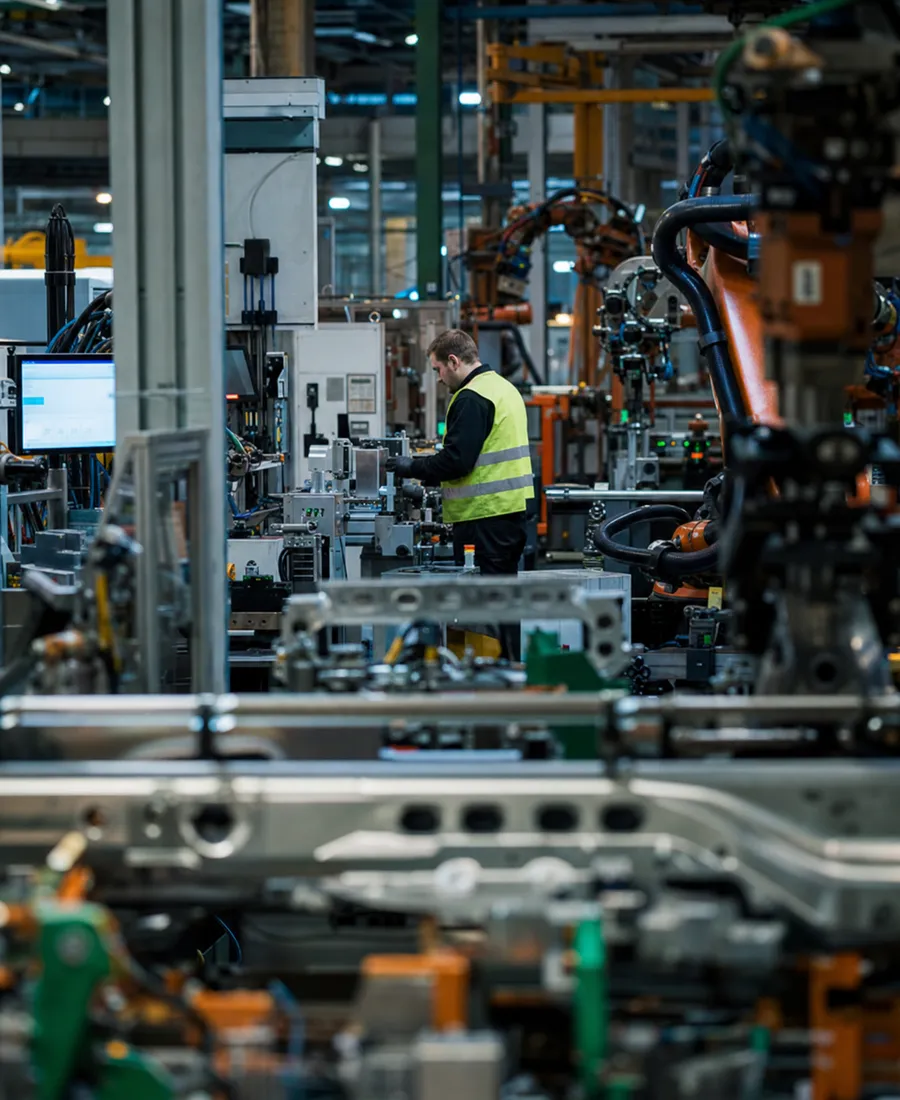
Quality control on rare defect classes, where the failure you care about appears a handful of times a year.

Programmes constrained by export control or classification, where the real data cannot leave the perimeter.
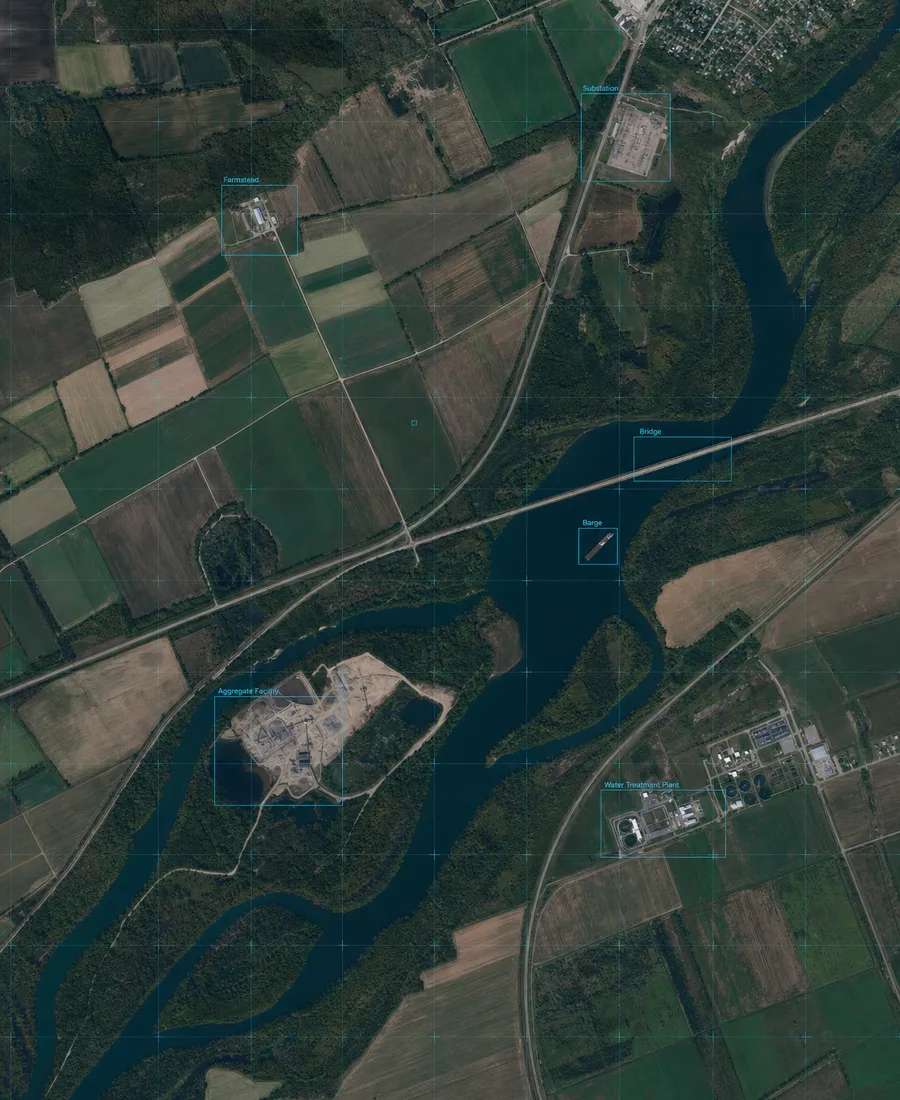
Collection is expensive and some geometries cannot be obtained at all, which is the classic case for a generator.
If the constraint is data rather than architecture, we will tell you whether a generator is the cheapest way through it — and what it would take to trust the result.
Book a Strategy & Architecture Review