
Remote Sensing & Geospatial Intelligence
Today's satellites image any location on Earth daily, at resolutions down to 30 cm. The question is no longer whether the data exists — it is how that data becomes something an operations team acts on: which sources to buy, where the analysis runs, and how results reach the people who decide. That pipeline, not the imagery, is where geospatial programs succeed or fail — and it is the part we engineer.
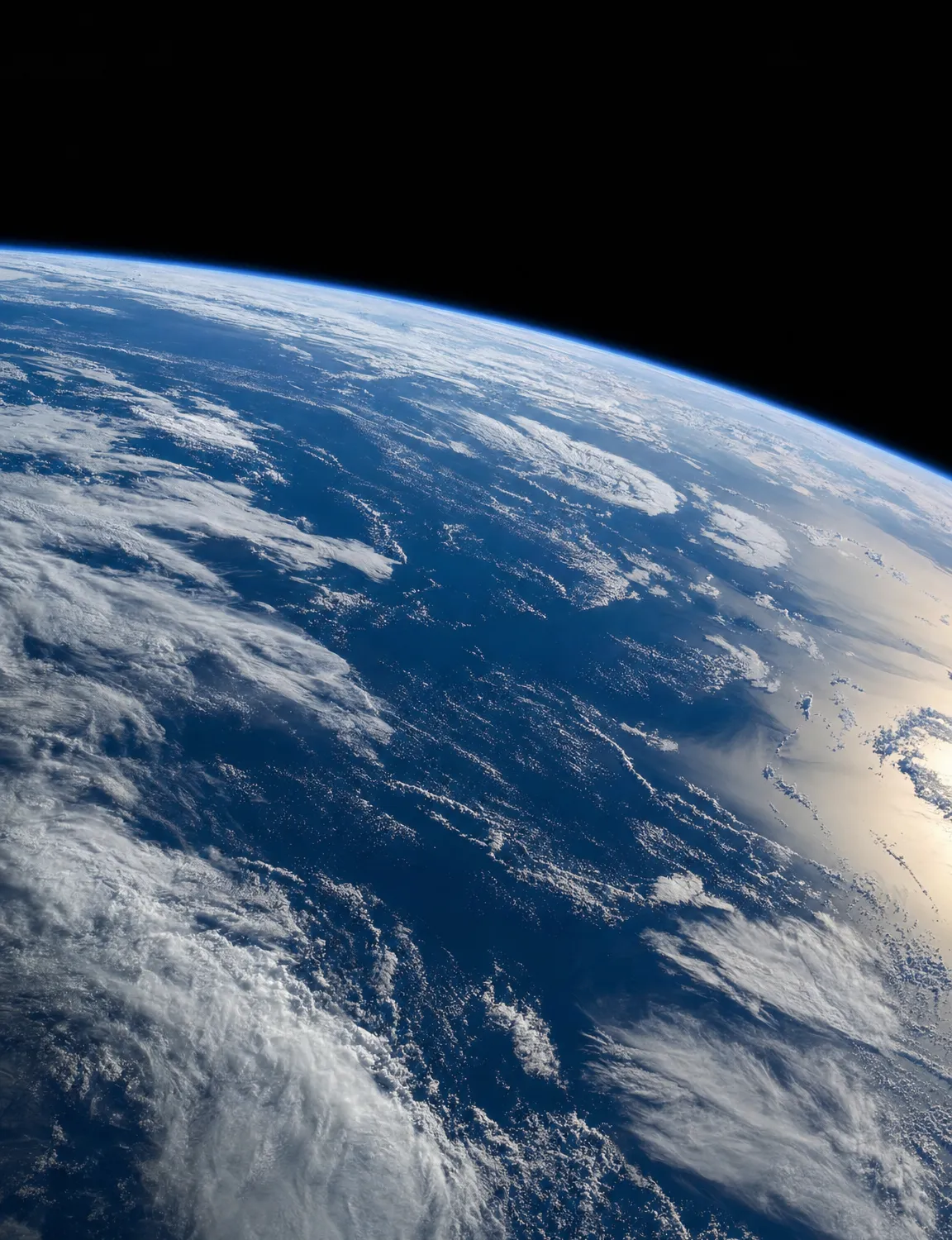
From orbital data to operational decisions.
Thousands of hectares as a decision surface
Satellite-based crop monitoring turns thousands of hectares into a manageable decision surface: crop health assessed continuously, yields predicted by machine learning models, and resources allocated where the data says they matter. For agricultural businesses, the operational question is integration — getting analysis to agronomists and planners in time to change what happens in the field.
- Crop health assessed continuously across entire holdings
- Yield prediction from machine learning models
- Resources allocated where the data says they matter
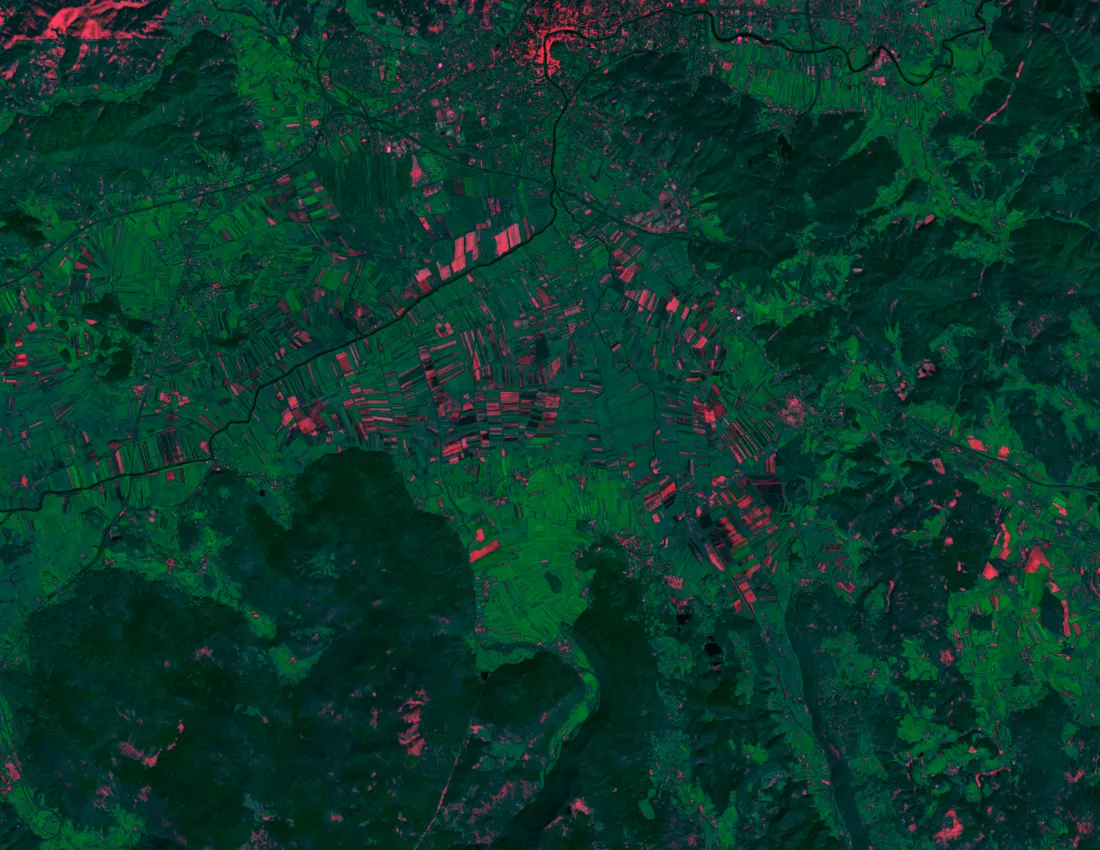
Processing and analysis by nAIxt Technologies · Data from Sentinel-2.
Expensive bets, placed with better evidence
Exploration is a portfolio of expensive bets. AI analysis of multispectral satellite data identifies mineral deposits, hydrocarbon indicators, and hydrothermal features before anyone commits a field team — shortening exploration cycles, cutting cost, and reducing environmental impact. The technology does not replace geological judgment; it concentrates it on the sites most worth the investment.
- Mineral and hydrocarbon indicators identified before field teams deploy
- Shorter exploration cycles at lower cost
- Reduced environmental impact of exploration work
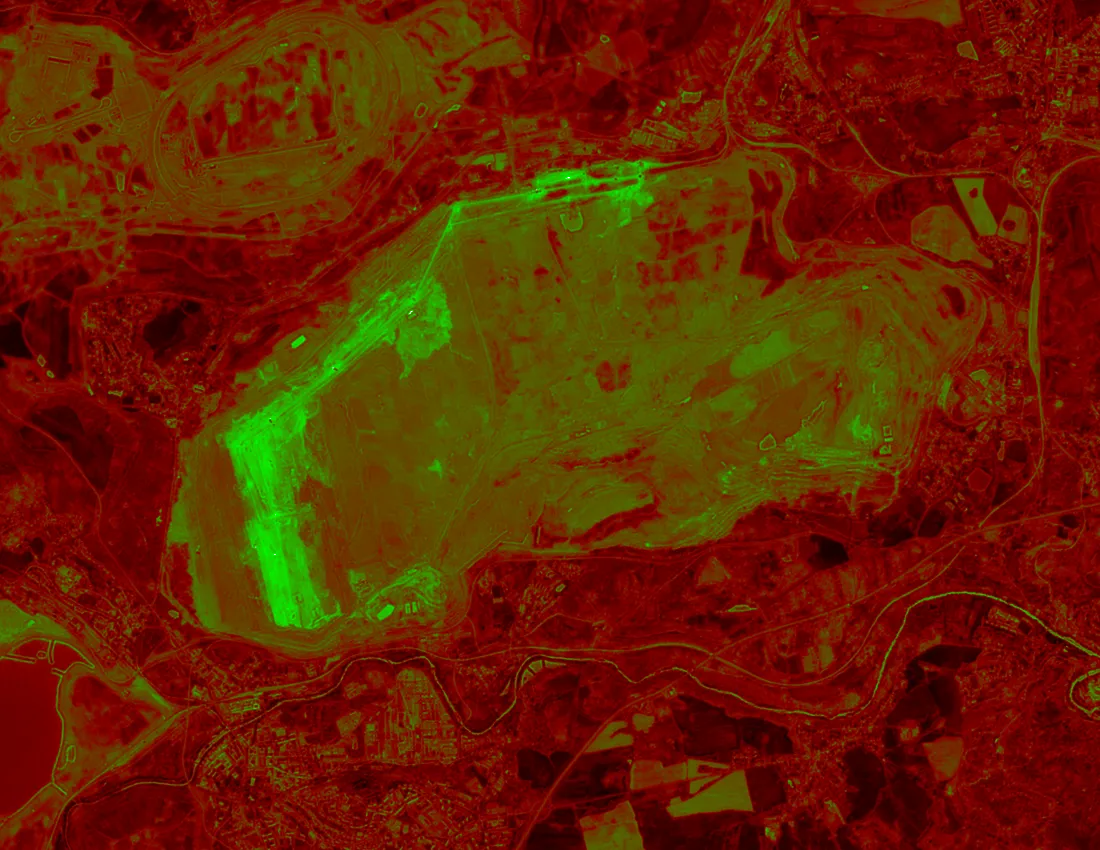
Processing and analysis by nAIxt Technologies · Data from Sentinel-2.
A current picture when it matters most
When a flood or wildfire is underway, the scarcest resource is a current, trustworthy picture of the ground. Satellite monitoring delivers near real-time assessment — flood extent mapped, fire damage classified — giving emergency responders and risk holders the intelligence to allocate resources while it can still change the outcome.
- Flood extent mapped in near real time
- Fire damage classified while response is underway
- Decision-ready intelligence for responders and risk holders
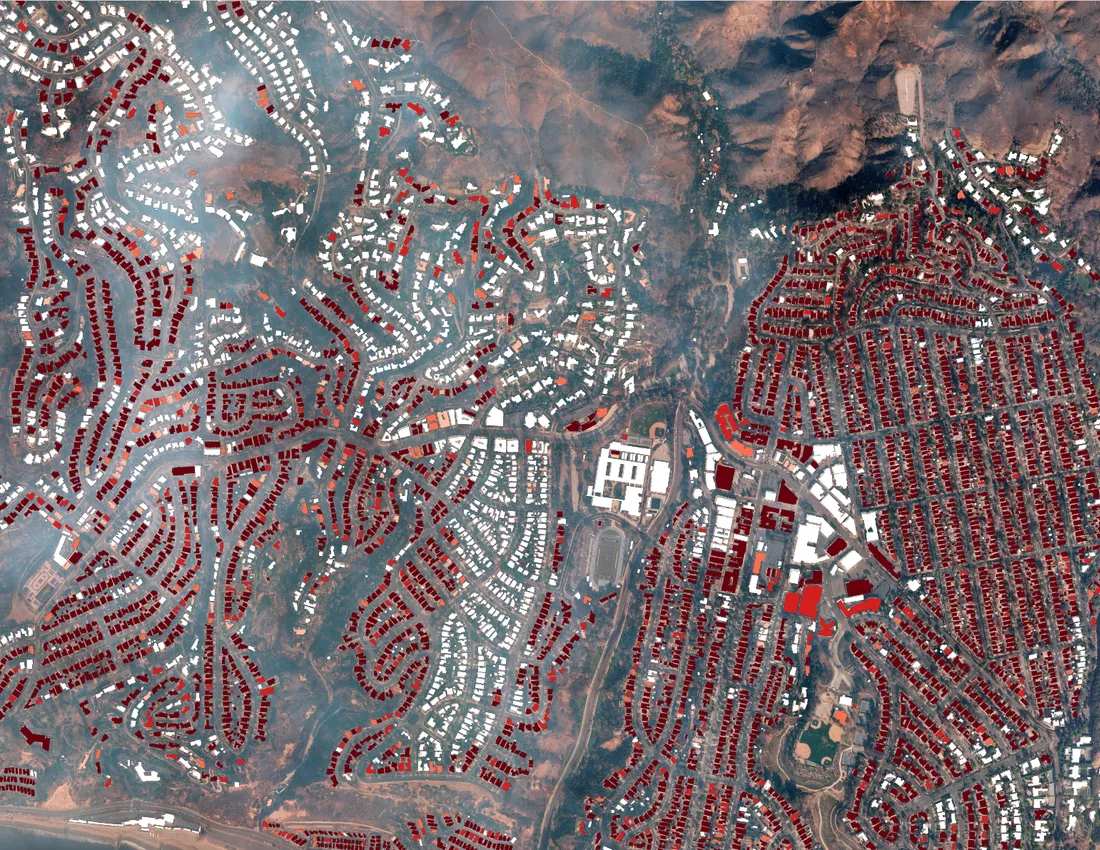
Land cover classification based on Maxar OpenData for the Palisades fire.
Remote Monitoring
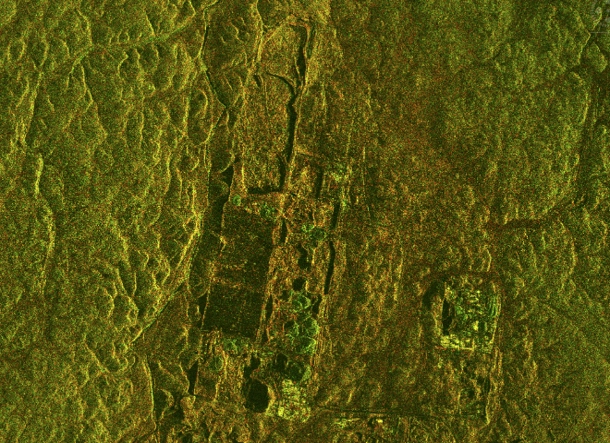
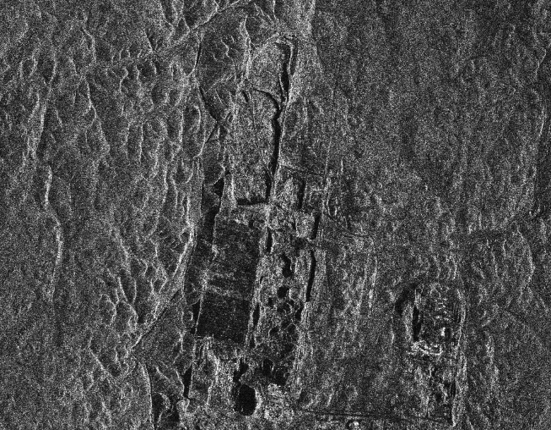
The sites that matter most are often the ones no team can visit weekly: quarries, docks, trading hubs, remote production assets. Satellite imagery combined with AI analysis monitors them continuously — detecting terrain change, tracking material extraction, measuring ground movement and stockpile volumes — turning periodic site reports into a live operational picture. The same capability lets commodity market participants assess producers of iron, copper, coal, and other commodities directly from orbit. Drag the slider to compare the HD radar input with the detected terrain change.
From raw satellite scenes to decision-ready results.
Identify the right use cases
We map where geospatial data changes what your operations team can act on — and which questions the imagery can actually answer.
Decide sources & architecture
Vendor-neutral guidance on which sources to buy and how to process them at scale — deployed where your data-control and sovereignty requirements demand: cloud, your own infrastructure, or in between.
Operate reliably
Automated pipelines from raw satellite scenes to decision-ready results — engineered for operational use, not one-off studies.
AI expertise across sectors.
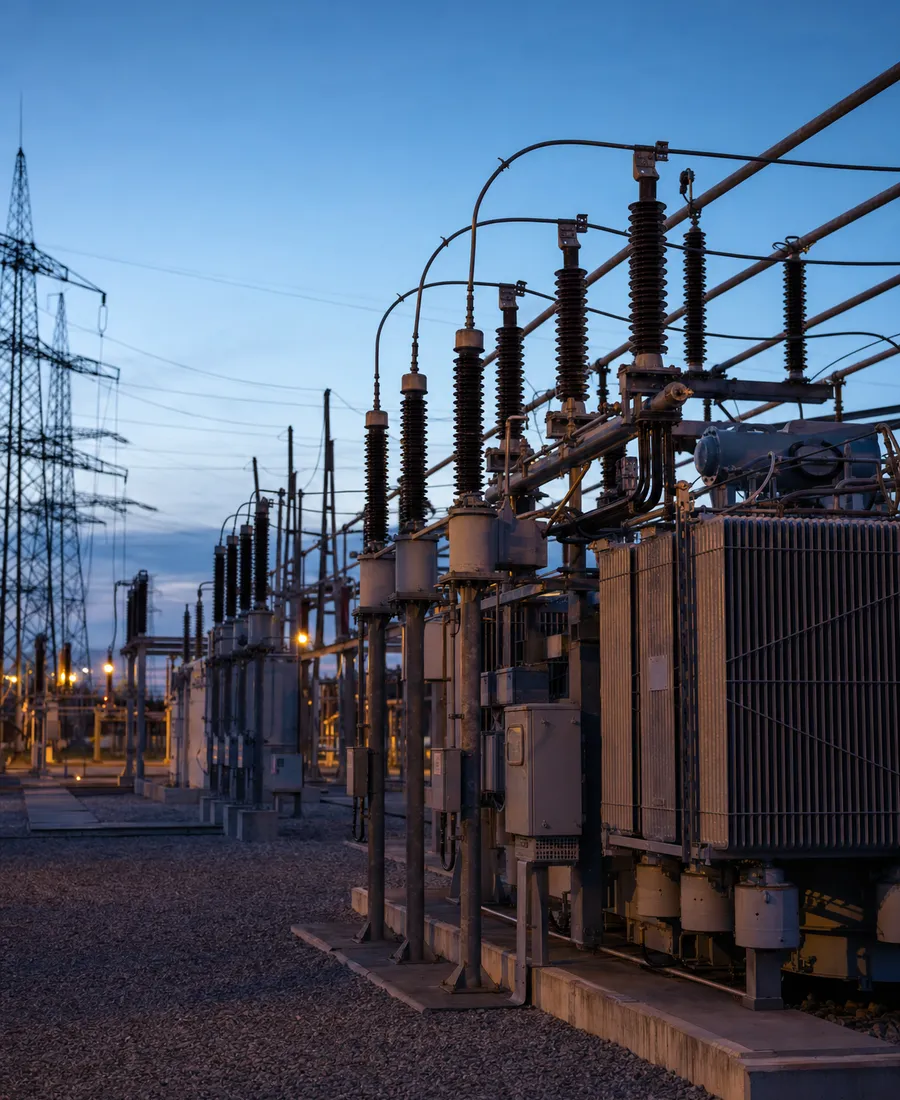


Turn geospatial data into operational intelligence.
From source selection and processing architecture to sovereignty and data-control requirements, get vendor-neutral guidance on building geospatial AI capability that serves your operations — applied AI since 2016, from Munich.
Schedule a Consultation