
Computer Vision That Holds Up in Production
We have engineered visual AI for industrial environments since 2016 — from defect detection on the line to spatial and document intelligence. This page shows what the technology can do, and how we take it from pilot to reliable operation.
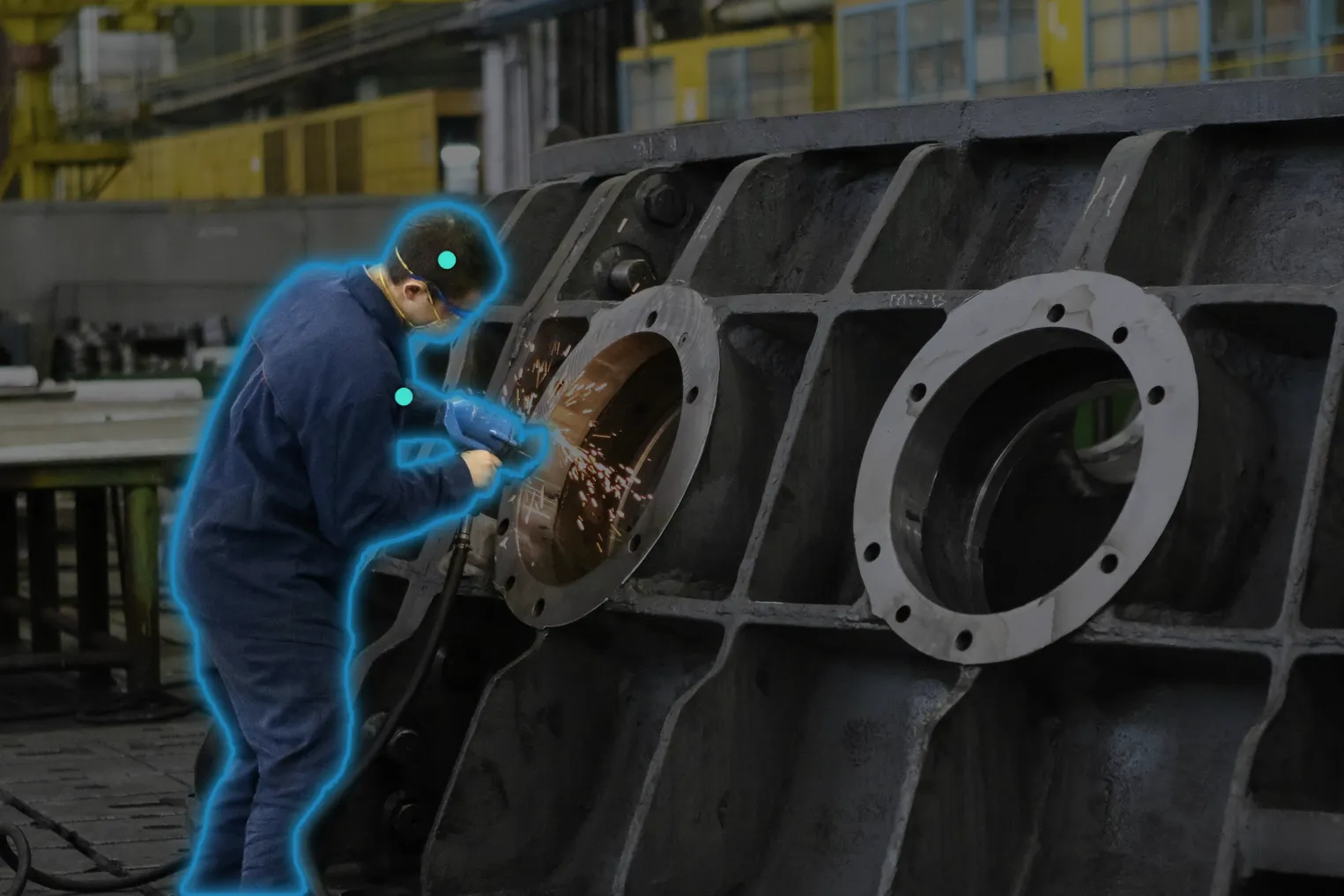
What Production-Grade Vision Systems Require
A vision model that works in a demo is not a system that works on your line. These are the engineering fundamentals we design for from day one.
Real-time Processing
Time-critical decisions — quality control, safety, autonomous operation — demand inference at the speed of the process, often directly at the edge rather than in a distant data center.
High Accuracy
Detection, classification, and anomaly models must be validated against your operational reality — your parts, your lighting, your tolerances — not benchmark datasets.
Scalable Architecture
The right architecture depends on your constraints: edge devices on the line, on-premise systems under your control, or hybrid and cloud setups where they genuinely fit. We design for the environment you operate in.
Latest Applications
Where Computer Vision Earns Its Keep
Three application areas where we have seen visual AI deliver measurable operational value — and where the gap between pilot and production is decided.
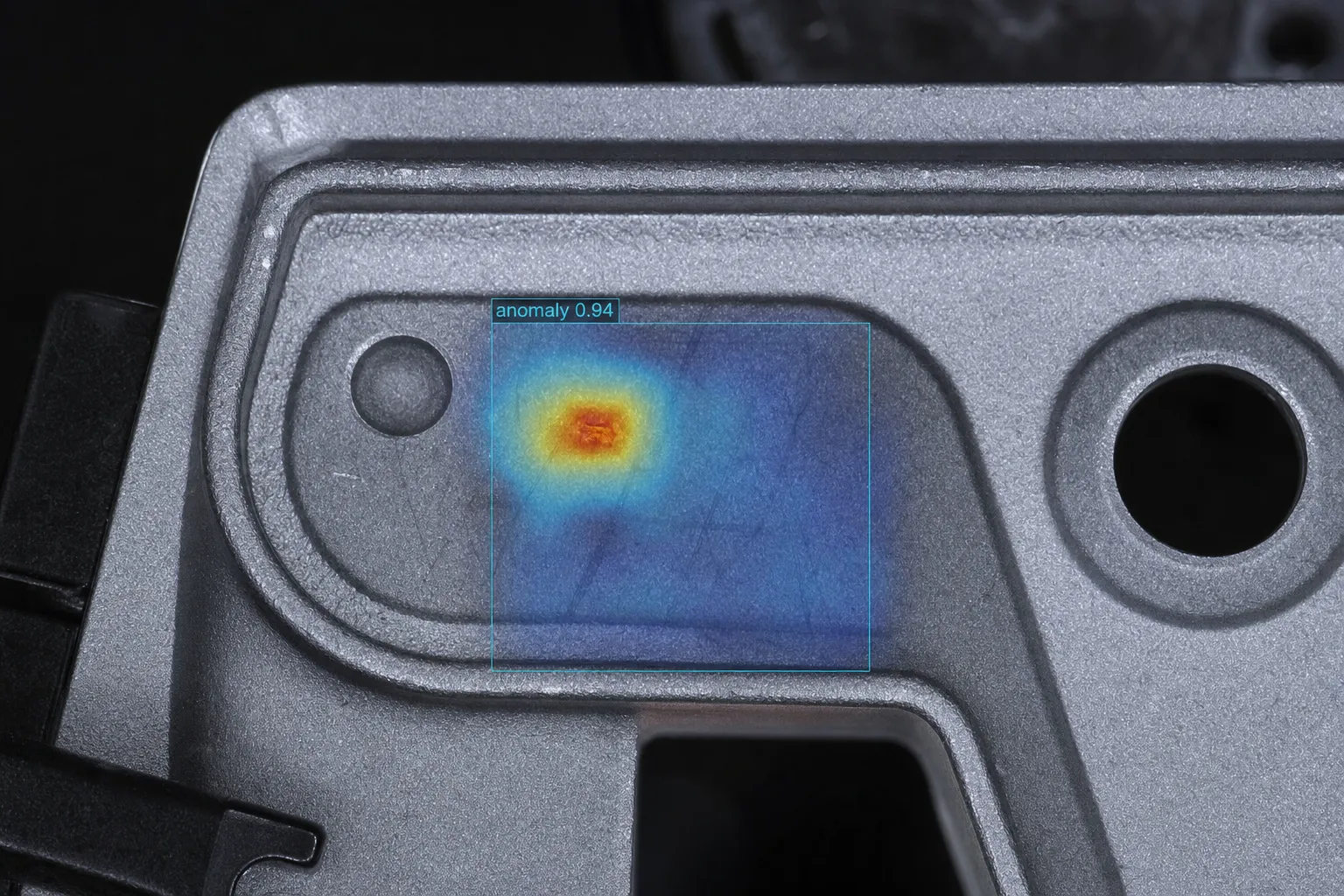
Automated Quality Control
On a production line, quality control is a real-time operational decision, not an analytics exercise. Vision systems can detect defects and irregularities as parts move through production — from automotive components to consumer electronics — but only if they are engineered for the throughput, lighting, and latency of your actual line. Done right, automated inspection raises operational reliability, increases throughput, and reduces cost.
Benefits:

Depth Estimation
Depth estimation gives machines a spatial understanding of their environment — the foundation for autonomous systems, robotics, and any application where accurate distance measurement determines safety and navigation. It is a capability where model choice, sensor setup, and deployment architecture have to be decided together.
Benefits:
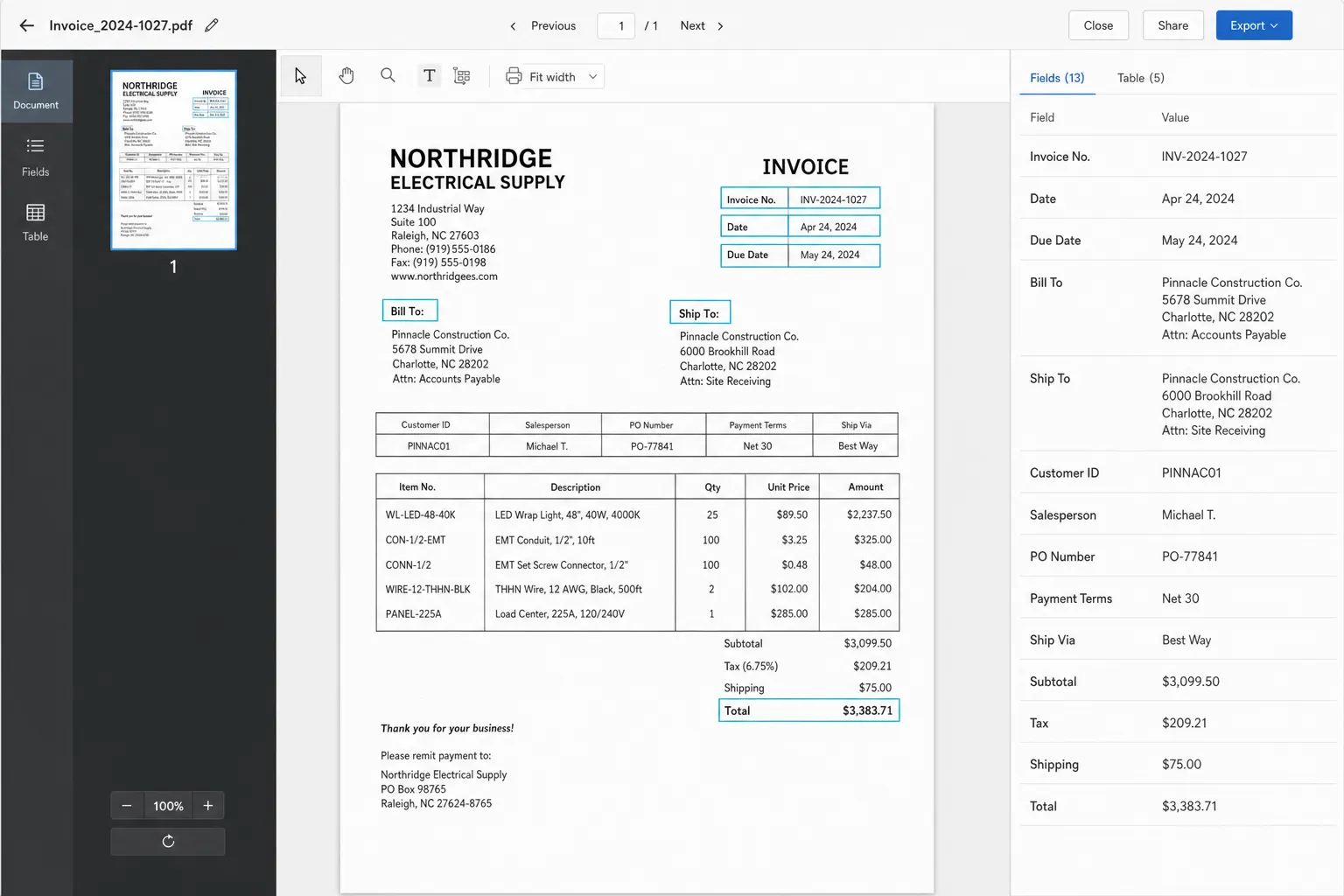
Document Processing
Document-heavy workflows in finance, legal, and logistics carry real operational cost. Vision-based extraction, classification, and analysis automate that work at volume — provided accuracy, auditability, and data governance are designed in from the start. The result is faster turnaround, fewer manual errors, and decisions based on complete information.
Benefits:
Bring Us a Vision Problem Worth Solving
Whether you are weighing a make-or-buy decision, comparing vendors, or trying to get a stalled pilot into production, we bring vendor-neutral judgment and a decade of applied engineering to the table.